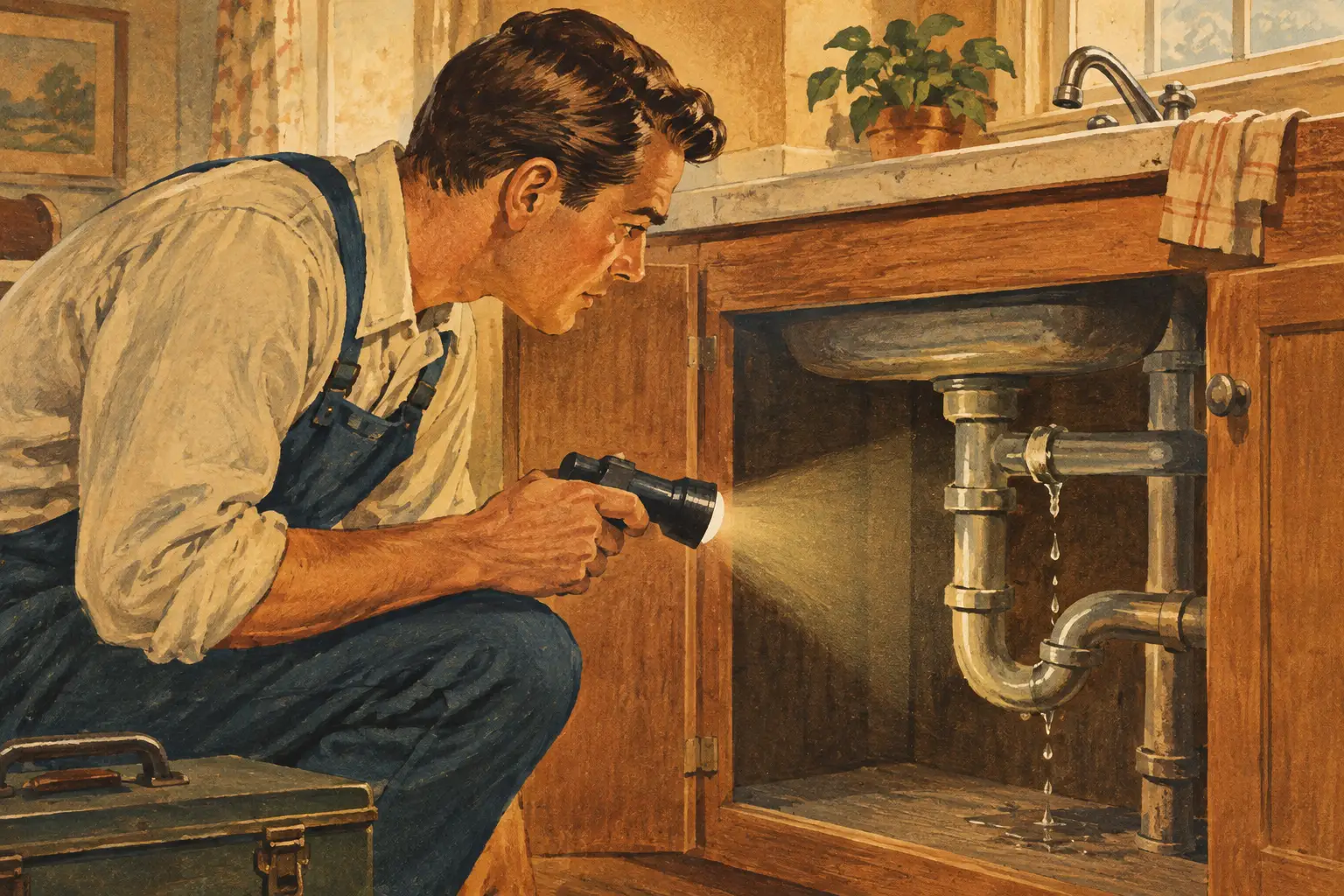
How to Find Hidden Leaks Before Damage Spreads

A small patch under the kitchen sink can be obvious. A slow leak beneath a floorboard, behind a boxed-in pipe or inside a wall is different. It can quietly raise your water bill, damage plaster and timber, and create the damp conditions mould needs to spread. Knowing how to find hidden leaks gives homeowners and landlords a chance to act before a minor plumbing fault becomes an expensive repair.

The signs of a hidden water leak

Hidden leaks rarely announce themselves with a dramatic burst pipe. More often, the clues are easy to dismiss until several appear at once. A musty smell in a cupboard, a new brown mark on the ceiling below a bathroom, bubbling paint or wallpaper, or a patch of flooring that feels warmer, colder or softer than the area around it can all point to unwanted water.

Keep an eye on your water use too. If your bill has increased but your household routine has not changed, water may be escaping somewhere you cannot see. The same applies if the water meter continues to move when every tap, appliance and toilet is switched off. This is one of the clearest early warning signs of a leak on the property.

For landlords, reports of condensation and mould should be taken seriously, but do not assume they are always caused by tenant habits. Poor ventilation is common, particularly in bathrooms and kitchens, yet a concealed plumbing leak can produce very similar symptoms. A prompt inspection protects the property and helps resolve the issue fairly.

How to find hidden leaks with a simple meter test

A water meter test is a useful first check where your property has a meter. It will not tell you exactly where the problem is, but it can confirm whether water is being lost while the property is still.

First, make sure no one is using water. Turn off taps, avoid flushing toilets, pause the washing machine and dishwasher, and check that outside taps are fully closed. Take a clear photo of the meter reading, then leave the water unused for at least 30 minutes. Longer is better if you can manage it.

Return to the meter and compare the reading. If the numbers have changed, or the small leak indicator is moving, there may be a leak between the meter and your internal pipework, or within the property itself. Do not use this test as a reason to delay action if you can already see water damage. In that situation, isolate the supply if it is safe to do so and arrange help.

Not every home has an accessible meter, and shared supplies can make the test less reliable. Flats, converted houses and some rental properties may need a professional assessment to identify the affected section of pipework.

Check toilets, taps and appliances first

Before assuming the leak is inside a wall, rule out the common causes. A toilet with a faulty flush valve can continuously trickle water into the pan without making much noise. Add a small amount of food colouring to the cistern and wait without flushing. If colour appears in the bowl, the toilet is leaking internally.

Look beneath sinks and around pipe joints for moisture, staining or corrosion. Run your hand around connections carefully, using dry kitchen roll to pick up small amounts of water. Check washing machine and dishwasher hoses, especially where they meet the appliance or supply valve. A loose connection may only drip while the machine is operating.

Also inspect the boiler area and visible heating pipework. A boiler pressure gauge that regularly drops, staining beneath the boiler, or a radiator valve that feels damp can indicate a fault. Central-heating leaks are not always obvious, and repeatedly topping up a pressurised system is not a fix. It can increase corrosion inside the system and should be investigated.

Places hidden leaks often start

Water follows gravity and travels along pipes, joists and cables, so the visible stain may not sit directly below the leak. A ceiling mark under a bathroom could come from a shower seal, a waste pipe, a toilet connection or a pipe beneath the floor. That is why guessing and cutting into walls can create more disruption than necessary.

The areas that deserve the closest attention are bathrooms, kitchens, utility rooms, boiler cupboards and any room beneath them. Pay particular attention to shower trays and bath edges. Failed sealant can let water pass behind a bath panel or through the floor every time the shower is used.

Outside, inspect external taps, overflow pipes and pipework exposed to cold weather. A frozen pipe can split and only become apparent when it thaws. Damp ground close to an outside wall, unexplained puddles during dry weather, or a constantly dripping overflow pipe all warrant a closer look.

In older West Yorkshire homes, pipework may run through solid walls, under suspended timber floors or within extensions added at different times. Access can be awkward, but the right diagnosis matters. A qualified engineer can use pressure testing, moisture readings and, where appropriate, specialist detection methods to narrow down the source without unnecessary damage.

When to turn off the water and call for help

If water is actively coming through a ceiling, pooling near electrical sockets, or flowing from a pipe or appliance connection, treat it as urgent. Turn off the stop tap if you can do so safely. Most are found beneath the kitchen sink, in a utility area, or close to where the mains water pipe enters the property. Every household should know where its stop tap is and test that it can be turned before an emergency happens.

Do not touch wet electrical fittings, switches or appliances. If water is near electrics, keep clear and arrange emergency support. Similarly, do not remove boiler casings or attempt repairs to sealed heating systems yourself. What looks like a minor leak can involve pressure, electrical components or gas-related equipment.

For a slow leak, you may be able to limit damage by placing a container beneath a visible drip, drying the area and avoiding use of the affected bathroom, tap or appliance. That is only a temporary measure. Damp materials can deteriorate quickly, particularly chipboard flooring, kitchen units and plasterboard.

No Hassle Heating provides practical plumbing and home emergency support for customers who want a clear route to help rather than a surprise call-out bill. For homeowners and landlords, having cover in place can make it easier to act at the first sign of trouble instead of waiting for a small issue to grow.

Landlords: act early and keep a clear record

A tenant may first notice a damp smell, a stain or a change in boiler pressure. Make it easy for them to report the problem quickly, ideally with photographs and details of when it appeared. Fast communication reduces damage and gives you a useful record of the issue and the action taken.

It is sensible to record inspections, repairs and any advice provided by an engineer. If a leak has affected a tenant’s living space, explain what will happen next and when. You may need to arrange drying, repairs to finishes or a follow-up visit after the source has been fixed. The immediate plumbing repair is essential, but it is not always the final step.

A landlord should also distinguish between a plumbing leak and condensation caused by everyday moisture. The remedy may involve repairs, extraction, heating controls or ventilation. In some properties, it is a combination of factors. A proper assessment prevents the wrong solution being applied.

Preventing the next hidden leak

You cannot prevent every pipe failure, particularly in older systems, but regular checks lower the risk of a surprise. Look under sinks every few months, keep appliance hoses in good condition, renew damaged silicone seals, and pay attention to changes in water pressure, boiler pressure or water bills.

During cold weather, keep the heating at a sensible background temperature in empty properties and make sure external pipework is protected. If you are leaving a property vacant for an extended period, consider the water supply, insurance requirements and whether someone can carry out occasional checks.

The best time to deal with a hidden leak is when the first clue appears. A quick meter check, a look around the usual problem areas and a call for qualified help when something does not add up can protect your home, your tenants and your budget.
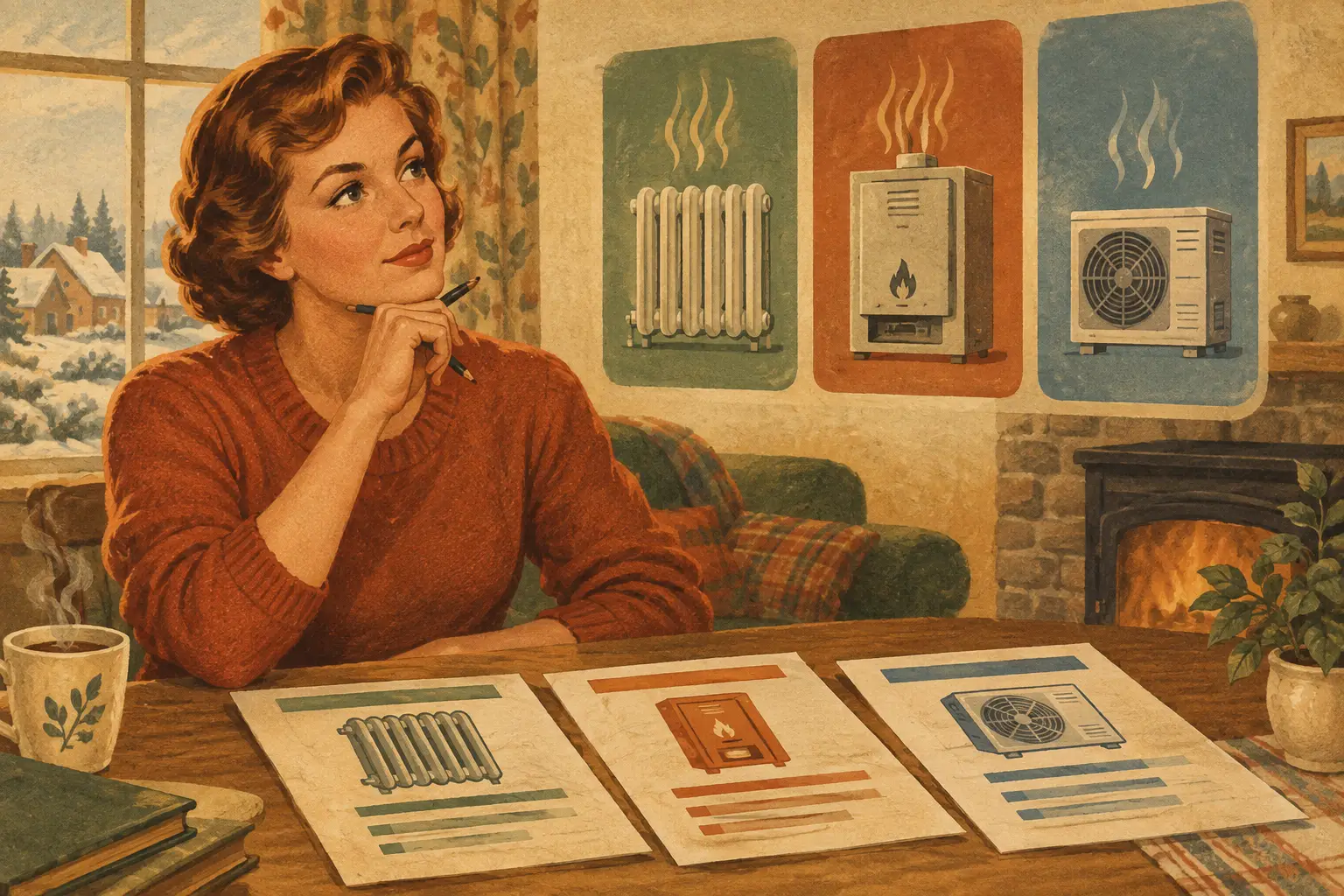
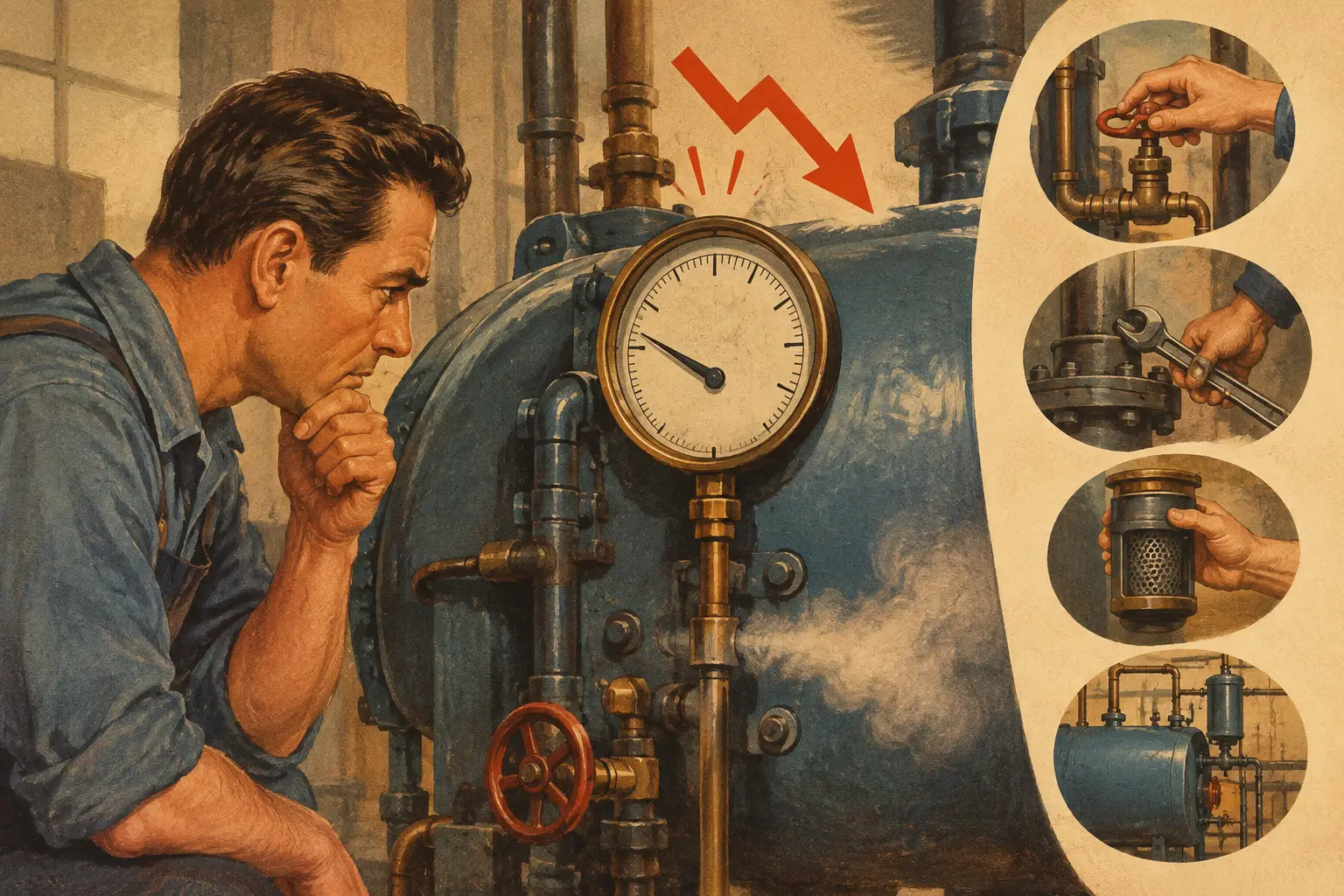
Heating Cover Comparison: Choose the Right Plan

A boiler that stops on a frosty West Yorkshire morning rarely gives you a convenient warning. One minute the house is warm and the hot water is running. The next, you are searching for an engineer, worrying about the bill and wondering how long your household will be without heating. A proper heating cover comparison helps you choose support before that pressure arrives.

The cheapest monthly price is only part of the picture. The right plan should make it clear who can attend, what repairs are included, whether your boiler receives an annual service and what happens if a fault cannot be repaired. For homeowners and landlords, predictable costs and a straightforward route to help can matter far more than saving a small amount each month.

What heating cover is designed to do

Heating cover is a monthly maintenance and breakdown plan for key parts of your home heating system. Depending on the level you choose, it may include boiler repairs, central heating repairs, an annual boiler service and emergency call-outs. Some plans also extend protection to plumbing, drainage, water leaks and electrics.

It is not the same as home insurance. Buildings insurance may help with certain insured events, but it does not usually act as a day-to-day boiler repair arrangement. Heating cover is there to reduce the disruption and uncertainty of an unexpected fault, with an engineer available when you need practical help.

For many households, the value is simple: instead of facing one large, unplanned repair bill, you pay an agreed monthly amount. Plans from £9.99 a month can make budgeting for essential home maintenance much easier, provided the cover suits your system and circumstances.

Heating cover comparison: start with what is protected

Before comparing prices, look at the systems and components each plan actually includes. Boiler-only cover is often suitable if your main concern is the boiler itself. A wider heating plan may also cover radiators, pipework, controls, pumps and other parts of the central heating system.

This distinction matters. A working boiler cannot heat your home properly if a circulation pump fails or a leaking heating pipe causes pressure to drop. Equally, a thermostat or programmer fault can leave you with little control over when your heating comes on. Ask whether these parts are included, rather than assuming every heating-related issue will be covered.

If you want one provider to help with more than heating, a home assistance plan can be a sensible option. Protection for plumbing and water leaks may be useful in older homes, while electrical cover can offer reassurance when an urgent fault affects lights, sockets or your consumer unit. It depends on the age of the property, the condition of its systems and how much maintenance you want to manage yourself.

Check the annual boiler service

An annual service is one of the most valuable parts of many heating plans. It gives a qualified engineer the chance to inspect your boiler, carry out the relevant safety checks and identify developing issues before they turn into a complete breakdown.

A service does not guarantee that a boiler will never fail. Wear and tear can happen at any time, particularly with older appliances. However, regular servicing supports safe, efficient operation and helps you meet the manufacturer’s servicing requirements where applicable. For landlords, keeping the boiler maintained also makes good property management sense alongside the separate legal gas safety duties.

When comparing plans, confirm that the annual service is included rather than treated as an optional extra. Also check how it is arranged. The simplest approach is one where the provider contacts you when your service is due, so it is less likely to slip down the to-do list.

Look beyond the phrase “emergency call-out”

Every provider uses slightly different wording, so it is worth checking what emergency support means in practice. If you have no heating or hot water, a serious leak or another urgent issue, you need to know how to request help and whether there is an extra charge for an engineer attending.

A plan with 24/7 emergency call-outs and no additional emergency call-out charge can remove a major worry. You should still read the plan terms to understand how faults are assessed, what repairs are covered and whether parts and labour are included. Clear terms are a good sign. You should not have to work through confusing exclusions while your home is getting colder.

Local coverage matters too. A national advert does not always mean a quick local response. For households across West Yorkshire, choosing a provider with engineers who serve your town can offer greater confidence that help is available nearby when it is needed.

Do not overlook repair limits and replacement support

No heating system lasts forever. If your boiler is ageing, ask how a provider handles a repair that is no longer economical or technically possible. Some plans offer support towards a replacement boiler or include a replacement under particular plan structures and eligibility conditions.

That does not mean every old boiler will automatically be replaced. Pre-existing faults, poor installation, system condition and the terms of the plan can all affect what is available. The key is to choose a provider that explains the position clearly before you take out cover.

It is also sensible to consider whether your boiler is still suitable for cover. Most providers will need to know its make, model, age and condition. A boiler that is unsafe, beyond repair or already broken down may require work before a plan can begin. Honest information at the start prevents avoidable disagreements later.

Compare the cost in a practical way

A low monthly figure is attractive, but compare the whole cost against the help you are likely to need. Look for excess fees, separate charges for servicing, call-out charges, limits on repair costs and exclusions for particular components. A plan that appears cheaper can lose its value quickly if it leaves you paying unexpected amounts when you need it most.

Think about the alternative. A single boiler repair can involve diagnosis, labour and replacement parts, while an out-of-hours emergency may add further cost. Cover will not suit every property owner, especially if you have a new boiler with a strong manufacturer warranty and savings set aside for repairs. But for many people, a fixed monthly payment is easier to live with than an uncertain breakdown bill.

The best choice is not necessarily the plan with the most features. It is the one that protects the systems you rely on without making you pay for cover you are unlikely to use.

Landlords need cover and compliance to work together

Landlords have a different set of pressures. A tenant without heating or hot water needs a prompt response, and safety responsibilities cannot be pushed aside until a convenient date. Alongside boiler and heating breakdown support, you may need Gas Safety Checks, Electrical Safety Checks and PAT testing for supplied electrical appliances.

A landlord-focused plan can bring these tasks together with plumbing and drainage protection, reducing the number of providers and renewal dates you need to keep track of. That can be particularly useful for small portfolio owners who handle maintenance themselves but want professional support when a fault occurs.

When making a heating cover comparison for a rental property, check that the plan fits the property type, the number of boilers or systems involved, and your compliance needs. Keep certificates and service records organised, and make sure tenants know how to report an urgent problem. Fast reporting often prevents a minor issue becoming more expensive damage.

Questions worth asking before you join

A good provider should be comfortable answering straightforward questions. Ask whether Gas Safe registered engineers will work on gas appliances, whether emergency help is available around the clock, and whether there are extra attendance charges. Find out exactly what is included in the annual service and what happens if a repair cannot be completed.

You should also ask about waiting periods, exclusions for pre-existing faults and any requirements for system condition. These are not small-print details. They shape how useful your cover will be on the day something goes wrong.

No Hassle Heating is built around that practical approach: local support, clear monthly plans and help for homeowners and landlords who would rather not face a breakdown alone. The right cover should leave you feeling prepared, not tied up in complicated terms.

Choose a plan while your heating is working well, take a few minutes to understand what it protects, and keep the provider’s contact details handy. When the temperature drops and a fault appears, that small bit of preparation can make all the difference.

Why Boiler Pressure Drops and What to Do Next

A boiler pressure gauge slipping below its usual level can be easy to miss until the heating stops working or a fault code appears. If you are wondering why boiler pressure drops, the short answer is that water has left the sealed heating system – but the reason it has happened can range from a normal recent radiator bleed to a fault that needs an engineer.

A small change is not always a crisis. Repeated pressure loss, however, is a sign worth acting on. Catching it early can help avoid a cold home, an inconvenient breakdown or a more costly repair later on.

What boiler pressure should be

Most modern combi and system boilers work on a sealed system. When the heating is cold, the pressure gauge will usually sit between 1 and 1.5 bar. Once the heating is running, the pressure normally rises a little because the water expands as it warms up.

Your boiler handbook gives the exact recommendation for your model, so use that as your starting point. As a general rule, pressure below 1 bar may cause the boiler to stop or show a low-pressure warning. If it regularly climbs towards 2.5 or 3 bar when the heating is on, that can point to a separate issue with the expansion vessel or pressure relief valve.

The key question is not simply whether the gauge is low today. It is whether you have topped it up once after a known event, or whether it keeps falling again over days or weeks.

Why boiler pressure drops in a sealed system

You have recently bled a radiator

Bleeding a radiator releases trapped air so heat can circulate properly. It can also release a small amount of water, which lowers system pressure. In this case, repressurising the boiler afterwards is usually expected.

Check the radiator valves are closed properly once you have finished. A slow drip from the bleed point can continue to reduce pressure over time.

There is a leak somewhere in the heating system

A leak is one of the most common reasons for ongoing pressure loss. It may be visible around a radiator valve, towel rail, pipe joint or beneath the boiler. You might spot a damp patch, staining, corrosion or a small pool of water.

Not every leak is obvious. Pipework can run beneath floors, behind boxing or inside walls, particularly in older homes and rental properties that have been altered over time. That is why a boiler that needs topping up repeatedly should not be treated as a simple routine job.

The pressure relief valve is letting water out

The pressure relief valve is a safety feature. It releases water through a copper pipe, usually on an outside wall, if the boiler pressure becomes too high. If the valve does not close fully afterwards, water can continue to escape and the pressure will gradually drop.

Look at the end of the external copper pipe when the boiler is cool. If it is wet, dripping or leaving regular puddles, tell your heating engineer. Do not block or cap this pipe – it is there for safety.

The expansion vessel needs attention

Inside the boiler is an expansion vessel, which takes up the extra volume created as heating water gets hot. If it loses its charge or its internal diaphragm fails, boiler pressure may rise sharply while the heating is on. The pressure relief valve then releases water, and the gauge can be low again once everything cools down.

This pattern is particularly useful to note: normal or low pressure when cold, a big jump when hot, then pressure loss afterwards. An engineer can test and repair the issue safely. It is not a DIY job.

A boiler component is leaking internally

Over time, seals, pumps, heat exchangers and other internal components can develop faults. Some internal leaks are small and may not be immediately visible from outside the boiler casing.

Never take the casing off to investigate. Boilers should only be opened and repaired by a Gas Safe registered engineer. Apart from the safety risk, opening the appliance can make a fault harder to diagnose and may affect any warranty or service agreement.

The filling loop has been left open or is faulty

The filling loop is used to add water and bring pressure back up. Once the correct level is reached, it should be shut off as instructed in your boiler manual. A problem with the filling arrangement can lead to pressure behaving unpredictably, including a rise that causes the pressure relief valve to discharge water.

It is worth checking that any accessible valves are fully closed, but avoid forcing stiff valves or repeatedly adjusting parts you are unsure about.

Safe checks you can make at home

Before booking a repair, a few straightforward checks can help explain what is happening. Start by looking at the pressure gauge when the boiler and radiators are cold. Make a note of the reading, then check it again after the heating has been running for an hour. This gives an engineer a clearer picture than a single reading.

Next, inspect visible radiator valves, radiator bleed screws and pipe joints for moisture or rust marks. Check beneath the boiler without removing its cover, and inspect the end of the external pressure relief pipe for drips.

If you have recently bled radiators and there are no signs of a leak, you may be able to repressurise the system using the filling loop instructions for your specific boiler. Add water slowly and stop at the recommended cold pressure, normally around 1 to 1.5 bar. Then close the valves securely.

Do not keep topping up a boiler that loses pressure again. Fresh water introduces oxygen and minerals into the system, which can contribute to corrosion over time. Repeatedly repressurising may get the heating going temporarily, but it does not fix the cause.

When to call a heating engineer

Arrange professional help if the pressure falls again after you have topped it up, if you can see water leaking, or if the boiler displays a fault code. You should also call an engineer if pressure rises dramatically whenever the heating comes on, or if the pressure relief pipe is regularly dripping.

Turn the boiler off and seek urgent help if you notice a strong smell of gas, feel unwell with symptoms such as dizziness or nausea, or your carbon monoxide alarm sounds. Leave the property if necessary and follow the emergency instructions provided by your gas supplier. A water leak close to electrical wiring, sockets or consumer units also needs prompt attention.

For tenants, report pressure problems to your landlord or managing agent as soon as you notice them. Taking a dated photo of the gauge and any visible leak can make the issue easier to explain. Landlords should treat recurring pressure loss as a maintenance concern rather than asking tenants to keep refilling the system.

How to reduce the chance of pressure problems

Some causes cannot be prevented entirely, especially as boilers and heating components age. Regular servicing does give an engineer the opportunity to check the boiler’s condition, safety controls and signs of developing faults before a minor issue becomes a no-heating call-out.

It also helps to use radiator bleed valves carefully, check the pressure after bleeding, and deal with small drips promptly. If a radiator takes a long time to warm up, has cold patches or needs frequent bleeding, mention it during a service rather than waiting for the system to stop.

For homeowners and landlords across West Yorkshire, a maintenance plan can make these problems far less stressful. No Hassle Heating provides practical support for boiler and heating breakdowns, with qualified help available when a pressure issue needs more than a quick check.

A pressure gauge is a small detail, but it tells you a lot about the health of your heating system. Check it occasionally when the boiler is cold, act on repeated changes, and let a qualified engineer find the cause before the next cold morning does it for you.

How to Manage Rental Compliance With Less Stress

A missed certificate can quickly become more than an admin problem. It can delay a new tenancy, leave a tenant without essential protection or put you on the wrong side of your local authority. Knowing how to manage rental compliance means putting simple checks, dates and trusted tradespeople in place before a problem lands in your inbox.

For landlords in West Yorkshire, the aim is not to become an expert in every regulation. It is to keep your property safe, your paperwork in order and your maintenance predictable. A clear routine makes that far easier, whether you own one flat or a growing portfolio.

Start with the non-negotiable safety checks

Rental compliance begins with the legal duties that apply to your property and tenancy. Some requirements are national, while others depend on the property type and the local council area. Treat safety certificates as essential running costs, not last-minute jobs.

For properties with gas appliances, you need an annual Gas Safety Check completed by a Gas Safe registered engineer. Give a copy of the record to existing tenants within 28 days of the check, and to new tenants before they move in. Book the next visit well before the current certificate expires. Leaving it until the final week can be risky if access is difficult or repairs are needed.

Electrical safety also needs a firm schedule. In most privately rented homes in England, landlords must have the fixed electrical installation inspected and tested at least every five years by a qualified person. You should provide the Electrical Installation Condition Report, often called an EICR, to tenants and act on any remedial work within the required timeframe.

Smoke and carbon monoxide alarms are another everyday responsibility. You must ensure the required alarms are fitted and working at the start of each new tenancy. As a sensible approach, test them during inspections and record the result. Carbon monoxide alarms are particularly relevant wherever there is a fixed combustion appliance, such as a gas boiler or fire.

These checks protect people first. They also provide a clear record that you have taken your responsibilities seriously if a fault, complaint or insurance query arises.

How to manage rental compliance with a simple calendar

The easiest way to lose track of compliance is to store dates in separate emails, paper files and diary notes. Create one property compliance calendar for every address, with reminders set well ahead of each deadline. A reminder at 90 days, 60 days and 30 days gives you enough time to arrange access, compare availability and complete any follow-up work.

Your calendar should cover gas safety, boiler servicing, electrical inspections, alarm checks, energy performance certificate expiry, licence renewals and tenancy milestones. Add dates for periodic property inspections too. These are not just useful for spotting wear and tear. They help you identify leaking pipework, failing extractor fans, loose sockets and boiler issues before they turn into expensive emergencies.

Keep the calendar practical. Note who is responsible for arranging each task, where the current certificate is saved and whether any action is outstanding. If you use an agent, agree in writing who manages which checks. Ultimately, landlords should still be confident that every requirement has been completed.

Keep a compliance file for each property

A good compliance file saves time when a tenant asks for a document, a council officer makes an enquiry or you are preparing to re-let. Digital folders work well, provided they are backed up and clearly named. Use the same layout for every property so you can find information quickly.

Keep copies of certificates, inspection reports, invoices, repair records, alarm test notes and tenant communications. Save the evidence that documents were provided to tenants, not simply the documents themselves. For example, retain an email confirming that the latest gas safety record was sent.

There are other tenancy records to include. If you take a deposit, protect it in an approved scheme within the required period and provide the prescribed information. In England, you must also complete Right to Rent checks before a tenancy starts. Make sure you provide the current required tenancy information and any applicable guides at the correct time.

The exact paperwork can change, so review your process before each new tenancy. If you let a house in multiple occupation or a property in an area with selective licensing, check your council’s requirements carefully. Licensing conditions can add duties around property standards, management arrangements and documentation.

Plan maintenance instead of reacting to breakdowns

Compliance and maintenance are closely connected. A boiler that has not been serviced may still work today, but an emerging fault can lead to loss of heating or hot water, an urgent tenant call and pressure to arrange access at short notice. Planned servicing helps identify issues early and supports your wider duty to keep installations safe and in working order.

The same applies to plumbing, drains and electrics. A small leak can damage ceilings and electrics. A slow drain can become a blockage. A worn electrical fitting may appear minor until it fails. Routine inspections and a clear reporting route for tenants keep small jobs manageable.

It is worth setting expectations at the start of the tenancy. Give tenants a straightforward way to report faults and explain what counts as an emergency, such as a gas smell, no heating in cold weather, a significant water leak or exposed wiring. Encourage early reporting without making tenants feel they are causing a fuss.

A maintenance plan can make costs and call-outs easier to manage, but check what is included before relying on it. Look at annual servicing, emergency response, repair limits, exclusions, appliance age and whether cover includes plumbing, drainage or electrics. No Hassle Heating offers landlord-focused support that can bring boiler care, Gas Safety Checks, electrical checks and PAT testing into one simpler arrangement, depending on the plan chosen.

Understand where the rules depend on the property

Not every rental property has the same compliance needs. A modern one-bedroom flat and a shared Victorian house will have different risks, equipment and potentially different licensing duties. This is where a one-size-fits-all checklist can fall short.

PAT testing is a good example. There is no general legal requirement for landlords to PAT test every portable appliance in every rental home. However, landlords must ensure supplied electrical equipment is safe. PAT testing can be a sensible way to demonstrate this, especially where you provide more appliances, manage furnished lets or have a house in multiple occupation.

Energy efficiency requirements also need monitoring. A valid Energy Performance Certificate is generally required when marketing a property, and minimum standards apply to many rented homes. Exemptions and changing rules can affect what you need to do, so obtain advice for your particular property before spending money on major improvements.

If your property has unusual features, such as a solid-fuel stove, communal areas, a cellar conversion or an outbuilding used as accommodation, seek specialist guidance. The right answer depends on the building, the tenancy arrangement and local rules.

Choose qualified people and check the paperwork

The cheapest quote is not always the best value if the work is incomplete, the engineer is not properly qualified or the paperwork never arrives. For gas work, always use a Gas Safe registered engineer qualified for the appliances in your property. For electrical inspection and remedial work, use a competent, appropriately qualified electrician.

Before the appointment, confirm what is being inspected, whether access is needed to every room and what certificate or report you will receive afterwards. When the work is complete, read the document. Check the property address, inspection date, findings and recommended actions. File it straight away and set the next reminder while the date is fresh.

Where remedial work is identified, do not let the report disappear into a folder. Record the issue, the target completion date and the evidence that it has been resolved. This creates a clear audit trail and gives you a better view of the condition of your property over time.

Make tenant communication part of your process

Access is often the practical challenge behind compliance. Tenants have a right to quiet enjoyment of their home, so give reasonable notice for routine visits and offer suitable appointment options where possible. Clear, polite communication usually prevents missed appointments and frustration on both sides.

Tell tenants why a visit is needed, how long it should take and whether they need to do anything beforehand. After a safety check or repair, confirm what was completed and send any relevant documents promptly. Tenants are more likely to report faults early when they know you will deal with them fairly.

Rental compliance works best when it becomes a steady routine rather than a scramble before expiry dates. Put the next date in the calendar, keep the evidence together and deal with small issues while they are still small. That is how you protect your tenants, your property and your peace of mind.

Cold Radiator Causes: Checks and Simple Fixes

A radiator that stays cold while the heating is on is more than an annoyance, particularly when the weather turns in West Yorkshire. The good news is that many cold radiator causes are straightforward to identify. A quick check can often tell you whether it is a setting, trapped air or something that needs a qualified heating engineer.

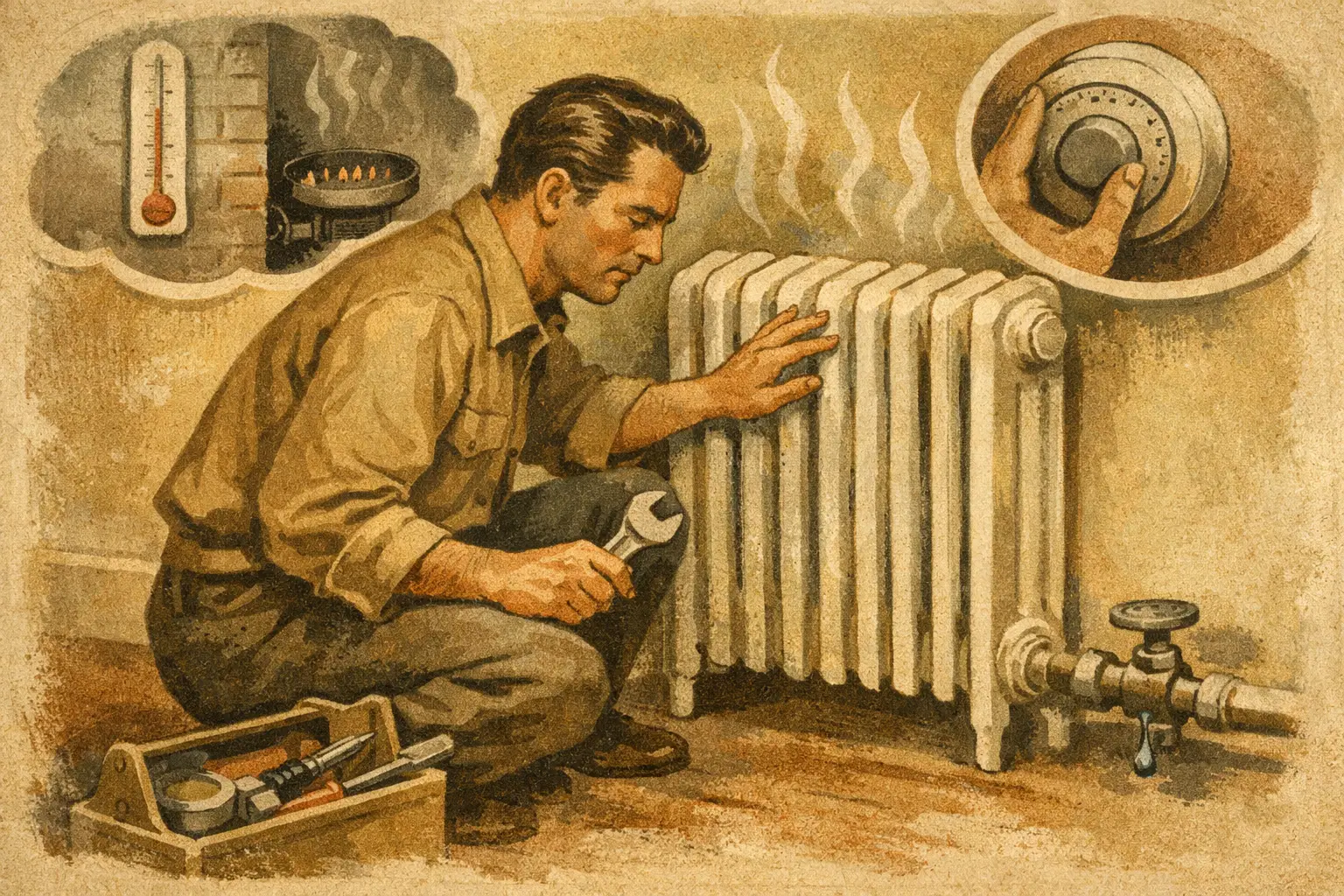
Before touching any valves, let the system cool down if it has been running. Hot radiators and pipework can cause burns. If you smell gas, notice a leak around the boiler, or see water coming from a radiator valve, turn the heating off where safe to do so and arrange professional help.

Start by working out which radiators are cold

The pattern matters. One cold radiator usually points to a local issue with that radiator or its valves. Several cold radiators can indicate a wider problem with the heating system, boiler pressure or controls.

Feel the radiator carefully from top to bottom and compare it with other radiators in the property. A radiator that is cold at the top behaves differently from one that is cold at the bottom. A radiator that is cold all over requires a different set of checks again.

Also check whether the heating is actually being called for. Set the thermostat a few degrees above the current room temperature, make sure the programmer is set to heating on, and allow the system time to respond. If every radiator is cool, the issue may not be the radiators at all.

Common cold radiator causes in the home

Trapped air in the radiator

If the top of a radiator is cold but the bottom is warm, trapped air is the likely cause. Air rises within the radiator and stops hot water reaching the upper section properly. You may also hear gurgling or bubbling noises when the heating comes on.

Bleeding the radiator can release this air. With the heating off and the radiator cool, use a radiator key to slowly open the bleed valve at the top. Hold a cloth underneath, as a small amount of water may escape. Close the valve as soon as water flows steadily rather than air hissing out.

After bleeding one or more radiators, check the boiler pressure. On many sealed systems, bleeding releases enough water to lower the pressure. Your boiler manual will show the correct range, but it is commonly around 1 to 1.5 bar when the system is cold. Do not keep topping up a system that regularly loses pressure – that can be a sign of a leak or another fault.

A thermostatic radiator valve is stuck or turned down

The thermostatic radiator valve, often called a TRV, is the numbered control on one side of most radiators. It controls the flow of hot water according to the temperature in the room. It may simply be set too low, especially in a spare room, hallway or rental property between tenancies.

Turn the TRV up and wait for the system to heat. If the radiator remains cold while others are warm, the internal pin may be stuck in the closed position. This often happens after the heating has been off through summer.

You can remove the TRV head on some models to inspect the small metal pin beneath it. The pin should move gently up and down. Do not pull it out, force it or dismantle the valve. A seized valve can be repaired or replaced by a heating engineer without turning a small issue into a leak.

The lockshield valve is closed

On the other side of the radiator is usually a plain-capped valve called the lockshield. It helps balance the system by controlling the water flow through each radiator. If it has been closed during decorating, repair work or a previous leak, the radiator may not heat up.

It is sensible to check that it has not been fully shut, but take note of its original position before adjusting it. Randomly opening every lockshield valve can upset the balance of the system, leaving nearby radiators very hot and those further away lukewarm.

Sludge and debris at the bottom of the radiator

When a radiator is warm at the top but cold at the bottom, sludge is a common culprit. Over time, corrosion within a central heating system can create dark deposits that settle in radiators. These deposits restrict the flow of hot water and reduce the radiator’s output.

Bleeding will not solve a sludge problem because the issue is not air. Depending on the condition of the system, an engineer may recommend removing and flushing the radiator, cleaning the system, or fitting inhibitor to protect against future corrosion. The right approach depends on the age of the system and whether more than one radiator is affected.

The heating system needs balancing

If radiators closest to the boiler heat quickly but rooms further away stay cool, the system may be out of balance. Hot water naturally takes the easiest route, so some radiators can receive more flow than others.

Balancing involves carefully adjusting lockshield valves to share the available heat around the property. It takes patience and temperature checks, so it is often best left to an engineer, especially in a larger home or a landlord-owned property where consistent heating matters in every room.

Low boiler pressure or a boiler fault

Low pressure can stop a sealed heating system from circulating water properly. Check the pressure gauge or display on the boiler before assuming the radiator itself is at fault. If the pressure is below the recommended range, follow the boiler manufacturer’s instructions or ask an engineer for help.

A boiler fault, failed pump, frozen condensate pipe in very cold weather, or a problem with the motorised valve can also leave radiators cold. Warning codes, unusual banging sounds, frequent pressure loss and a boiler that keeps switching off are all signs to stop troubleshooting and arrange a qualified repair.

A safe order for checking a cold radiator

Start with the easy checks: confirm the heating controls are on, turn the TRV up, and make sure the radiator valves have not been closed. Then look at the heating pattern. Cold at the top suggests air, while cold at the bottom suggests sludge.

If you bleed a radiator, check boiler pressure afterwards. If the pressure repeatedly drops, if water leaks from a valve, or if the radiator still will not heat after these basic checks, do not keep experimenting. Repeated adjustments can hide the real issue or create a more expensive repair.

For landlords, it is worth asking tenants to report cold radiators early. A single cold room can affect comfort, create condensation concerns and lead to avoidable complaints. Keep a record of reported faults and arrange a prompt inspection rather than asking a tenant to take apart valves or repressurise an unfamiliar boiler.

When to call a heating engineer

Call for professional help if several radiators are cold, the boiler shows an error code, the system has low pressure that returns again, or you cannot identify why one radiator has stopped heating. You should also call an engineer if you have a conventional system and are unsure how to check the feed and expansion tank, as these systems work differently from sealed combi and system boilers.

A qualified engineer can diagnose circulation problems, replace faulty valves, clean sludge from the system and check that the boiler is operating safely. For homeowners and landlords who prefer predictable costs, a maintenance plan can also take the worry out of unexpected heating faults. No Hassle Heating offers local cover designed to provide practical support without extra emergency call-out charges under the relevant plan.

A cold radiator does not always mean a major breakdown, but it should not be ignored for weeks. Acting while the rest of the system is still working gives you the best chance of a simple fix and a comfortably warm home when you need it most.

Cold Radiator Causes: Checks and Simple Fixes

A radiator that stays cold while the heating is on is more than an annoyance, particularly when the weather turns in West Yorkshire. The good news is that many cold radiator causes are straightforward to identify. A quick check can often tell you whether it is a setting, trapped air or something that needs a qualified heating engineer.

Before touching any valves, let the system cool down if it has been running. Hot radiators and pipework can cause burns. If you smell gas, notice a leak around the boiler, or see water coming from a radiator valve, turn the heating off where safe to do so and arrange professional help.

Start by working out which radiators are cold

The pattern matters. One cold radiator usually points to a local issue with that radiator or its valves. Several cold radiators can indicate a wider problem with the heating system, boiler pressure or controls.

Feel the radiator carefully from top to bottom and compare it with other radiators in the property. A radiator that is cold at the top behaves differently from one that is cold at the bottom. A radiator that is cold all over requires a different set of checks again.

Also check whether the heating is actually being called for. Set the thermostat a few degrees above the current room temperature, make sure the programmer is set to heating on, and allow the system time to respond. If every radiator is cool, the issue may not be the radiators at all.

Common cold radiator causes in the home

Trapped air in the radiator

If the top of a radiator is cold but the bottom is warm, trapped air is the likely cause. Air rises within the radiator and stops hot water reaching the upper section properly. You may also hear gurgling or bubbling noises when the heating comes on.

Bleeding the radiator can release this air. With the heating off and the radiator cool, use a radiator key to slowly open the bleed valve at the top. Hold a cloth underneath, as a small amount of water may escape. Close the valve as soon as water flows steadily rather than air hissing out.

After bleeding one or more radiators, check the boiler pressure. On many sealed systems, bleeding releases enough water to lower the pressure. Your boiler manual will show the correct range, but it is commonly around 1 to 1.5 bar when the system is cold. Do not keep topping up a system that regularly loses pressure – that can be a sign of a leak or another fault.

A thermostatic radiator valve is stuck or turned down

The thermostatic radiator valve, often called a TRV, is the numbered control on one side of most radiators. It controls the flow of hot water according to the temperature in the room. It may simply be set too low, especially in a spare room, hallway or rental property between tenancies.

Turn the TRV up and wait for the system to heat. If the radiator remains cold while others are warm, the internal pin may be stuck in the closed position. This often happens after the heating has been off through summer.

You can remove the TRV head on some models to inspect the small metal pin beneath it. The pin should move gently up and down. Do not pull it out, force it or dismantle the valve. A seized valve can be repaired or replaced by a heating engineer without turning a small issue into a leak.

The lockshield valve is closed

On the other side of the radiator is usually a plain-capped valve called the lockshield. It helps balance the system by controlling the water flow through each radiator. If it has been closed during decorating, repair work or a previous leak, the radiator may not heat up.

It is sensible to check that it has not been fully shut, but take note of its original position before adjusting it. Randomly opening every lockshield valve can upset the balance of the system, leaving nearby radiators very hot and those further away lukewarm.

Sludge and debris at the bottom of the radiator

When a radiator is warm at the top but cold at the bottom, sludge is a common culprit. Over time, corrosion within a central heating system can create dark deposits that settle in radiators. These deposits restrict the flow of hot water and reduce the radiator’s output.

Bleeding will not solve a sludge problem because the issue is not air. Depending on the condition of the system, an engineer may recommend removing and flushing the radiator, cleaning the system, or fitting inhibitor to protect against future corrosion. The right approach depends on the age of the system and whether more than one radiator is affected.

The heating system needs balancing

If radiators closest to the boiler heat quickly but rooms further away stay cool, the system may be out of balance. Hot water naturally takes the easiest route, so some radiators can receive more flow than others.

Balancing involves carefully adjusting lockshield valves to share the available heat around the property. It takes patience and temperature checks, so it is often best left to an engineer, especially in a larger home or a landlord-owned property where consistent heating matters in every room.

Low boiler pressure or a boiler fault

Low pressure can stop a sealed heating system from circulating water properly. Check the pressure gauge or display on the boiler before assuming the radiator itself is at fault. If the pressure is below the recommended range, follow the boiler manufacturer’s instructions or ask an engineer for help.

A boiler fault, failed pump, frozen condensate pipe in very cold weather, or a problem with the motorised valve can also leave radiators cold. Warning codes, unusual banging sounds, frequent pressure loss and a boiler that keeps switching off are all signs to stop troubleshooting and arrange a qualified repair.

A safe order for checking a cold radiator

Start with the easy checks: confirm the heating controls are on, turn the TRV up, and make sure the radiator valves have not been closed. Then look at the heating pattern. Cold at the top suggests air, while cold at the bottom suggests sludge.

If you bleed a radiator, check boiler pressure afterwards. If the pressure repeatedly drops, if water leaks from a valve, or if the radiator still will not heat after these basic checks, do not keep experimenting. Repeated adjustments can hide the real issue or create a more expensive repair.

For landlords, it is worth asking tenants to report cold radiators early. A single cold room can affect comfort, create condensation concerns and lead to avoidable complaints. Keep a record of reported faults and arrange a prompt inspection rather than asking a tenant to take apart valves or repressurise an unfamiliar boiler.

When to call a heating engineer

Call for professional help if several radiators are cold, the boiler shows an error code, the system has low pressure that returns again, or you cannot identify why one radiator has stopped heating. You should also call an engineer if you have a conventional system and are unsure how to check the feed and expansion tank, as these systems work differently from sealed combi and system boilers.

A qualified engineer can diagnose circulation problems, replace faulty valves, clean sludge from the system and check that the boiler is operating safely. For homeowners and landlords who prefer predictable costs, a maintenance plan can also take the worry out of unexpected heating faults. No Hassle Heating offers local cover designed to provide practical support without extra emergency call-out charges under the relevant plan.

A cold radiator does not always mean a major breakdown, but it should not be ignored for weeks. Acting while the rest of the system is still working gives you the best chance of a simple fix and a comfortably warm home when you need it most.

How to Thaw a Condensate Pipe Safely at Home

A boiler that suddenly stops working during a cold West Yorkshire morning is often not a major breakdown. If you are wondering how to thaw condensate pipe safely, a frozen external pipe may be the cause. It is a common winter problem, and in many cases you can deal with it at home without taking risks or dismantling anything.

Your boiler creates condensate – a mildly acidic liquid produced as it recovers heat from its flue gases. This water normally runs through a small plastic waste pipe into a drain. When temperatures drop below freezing, the section outside your home can freeze, stopping the condensate from draining away. Most modern condensing boilers then switch off as a safety measure.

Signs your condensate pipe has frozen

The most obvious sign is a boiler that has stopped providing heating or hot water during freezing weather. You may see a fault code, warning light or message on the boiler display. The exact code depends on the make and model, so check the instructions supplied with your boiler if you still have them.

Outside, look for a narrow white, grey or black plastic pipe running from the boiler area to an external drain, waste pipe or gully. It is usually around the width of a large coin. Frost on the pipe, visible ice around its outlet or a cold spell followed by a boiler lockout are all useful clues.

Do not assume every winter boiler fault is a frozen condensate pipe. A loss of gas supply, low system pressure, an electrical fault or a separate boiler issue can cause similar symptoms. If you cannot identify the pipe safely, or you are unsure what the boiler is telling you, stop there and arrange help.

How to thaw a condensate pipe safely

Start by switching the boiler off at its controls. You do not normally need to isolate the electricity supply at the wall, but avoid touching any wiring, opening the boiler casing or attempting to remove internal parts.

Find the frozen section of pipe. It is most often at an exposed bend, at the lowest point of the run or where the pipe enters the drain. Take care on icy paths and avoid working from a ladder or reaching over a wall.

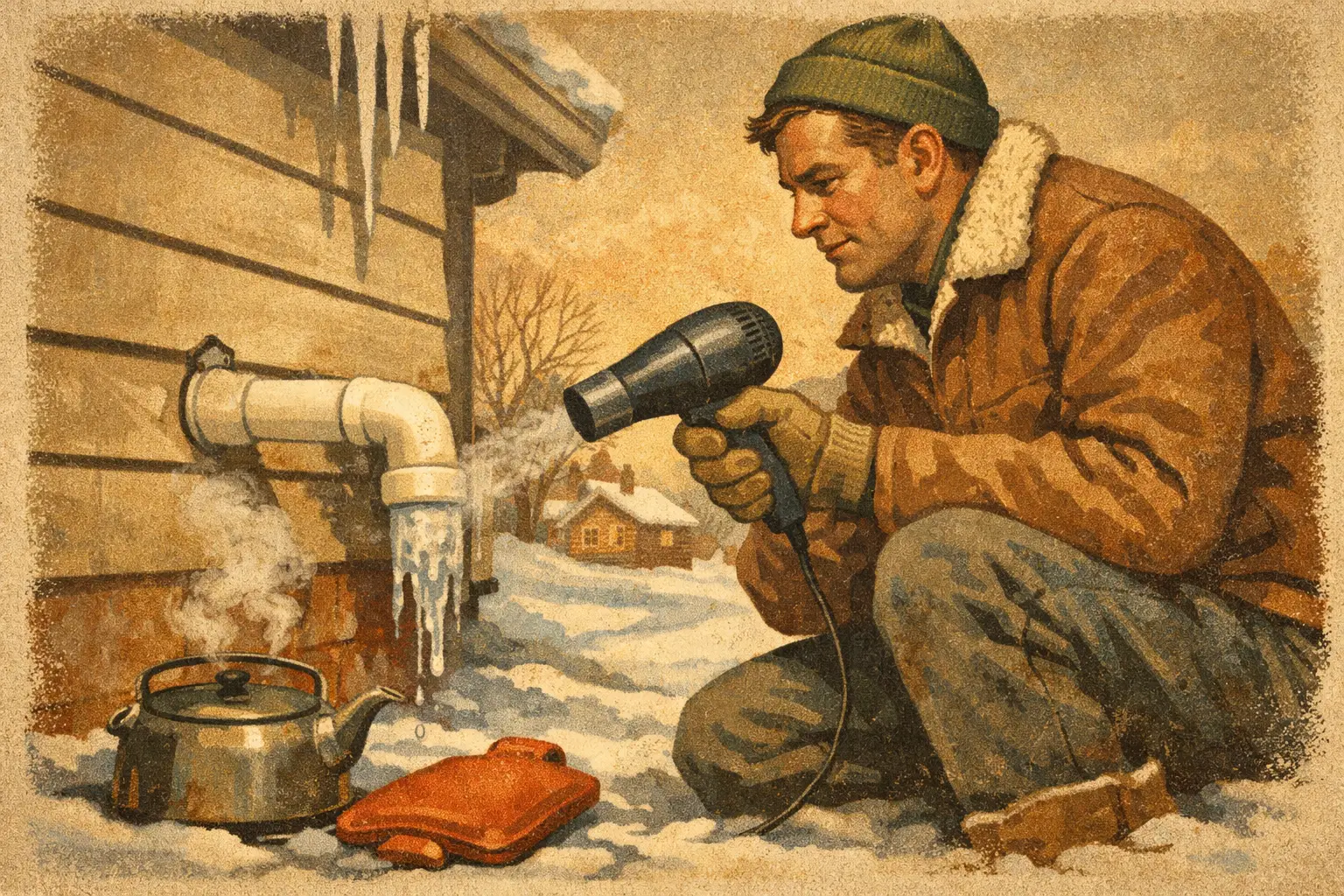
Fill a hot-water bottle or heatproof container with warm water, not boiling water. Hold it against the frozen part of the pipe, beginning at the end closest to the drain where possible. Alternatively, pour warm water slowly over the pipe, using a jug. Repeat this gradually until the ice has melted and water can flow freely.

A warm, damp cloth wrapped around the pipe can also help. The aim is to bring the pipe temperature up gently. Rushing the job can crack plastic pipework, especially if it is already brittle from age and repeated cold weather.

Once the blockage has cleared, switch the boiler back on and follow the manufacturer’s reset instructions if it has locked out. Many boilers have a reset button, but the method differs by model. Give the boiler a few minutes to restart. If heating and hot water return, keep an eye on it for the rest of the day to make sure the condensate is draining properly.

What not to use

Never pour boiling water onto a frozen condensate pipe. The sudden temperature change can damage the pipe or nearby fittings. Do not use a naked flame, blowtorch, heat gun or space heater, and do not strike the pipe to break the ice. These methods can cause injury, fire damage or a leak that creates a much bigger problem than the original blockage.

It is also best not to repeatedly reset a boiler that will not restart. A lockout is there to protect the system. One reset after thawing the pipe is reasonable, but if it fails again, a qualified heating engineer should investigate.

When to call a heating engineer

Call for professional help if the pipe is inaccessible, cracked, leaking or still blocked after gentle thawing. You should also arrange an engineer if the boiler displays a fault code you do not understand, the condensate pipe is frozen again within a short time, or there is no heating or hot water after you have reset the boiler correctly.

For landlords, a prompt response matters for both tenant comfort and your property responsibilities. Do not ask a tenant to take risks with hot water, icy access or boiler controls they are unfamiliar with. Clear instructions and a reliable engineer are the safer option.

If you smell gas, suspect a gas leak or feel unwell with symptoms such as dizziness or nausea, leave the property and follow the appropriate gas emergency procedure. A frozen condensate pipe does not normally create a gas smell, so treat it as a separate and urgent issue.

Preventing a condensate pipe from freezing again

A one-off freeze can happen during an unusually cold night, but repeated freezing often points to pipework that needs improving. External condensate runs are more vulnerable when they are narrow, very long, poorly insulated or fitted with awkward dips where water sits.

A heating engineer can assess whether the pipe can be rerouted internally, made wider, given a better fall towards the drain or insulated appropriately. The right solution depends on your boiler location, drainage layout and the condition of the existing pipework. Insulation can help, but it cannot always compensate for an unsuitable route or poor drainage fall.

At home, keep your heating on a low, steady setting during very cold periods rather than allowing the property to become completely cold. This will not directly heat every outdoor pipe, but it helps the boiler operate normally and reduces the chance of wider winter problems such as frozen internal pipework.

Check that outdoor gullies and drain covers are clear of leaves, soil and standing water. If the outlet is blocked, condensate can back up even when the pipe itself has thawed. Avoid trying to push rods or sharp objects into the condensate pipe, as this can dislodge joints or puncture plasticwork.

A note on boiler servicing

An annual boiler service will not prevent every freeze, but it is a useful opportunity to have the condensate route checked for obvious issues. For homeowners, this can avoid a stressful winter call-out. For landlords, it sits alongside the wider habit of keeping gas safety and property maintenance organised before tenants are left without heat.

No Hassle Heating supports homeowners and landlords across West Yorkshire with practical boiler cover, annual servicing and emergency call-outs, so help is available when a simple thaw does not get your system running again.

A quick check before the next cold snap

Take a look at where your condensate pipe leaves the property while the weather is mild. Knowing its route makes a winter boiler lockout far less confusing. Keep the boiler manual somewhere easy to find, and make sure you know how to reset your particular model.

If the same pipe freezes more than once, do not simply accept it as part of winter. A small alteration to the pipework can often save you from waking up to a cold home, unhappy tenants or an avoidable emergency call-out.

Landlord Electrical Inspection Guide for Rentals

A loose socket, ageing consumer unit or damaged cable can quickly become more than an inconvenient maintenance job. For landlords, electrical safety is a legal responsibility as well as a vital part of protecting tenants and the property. This landlord electrical inspection guide explains what needs checking, when an Electrical Installation Condition Report is due, and how to keep the process simple.

What a landlord electrical inspection covers

An electrical inspection looks at the fixed electrical installation in a rental property. That means the wiring hidden in walls and ceilings, consumer unit or fuse box, plug sockets, light fittings, switches, extractor fans and any permanently connected electrical equipment.

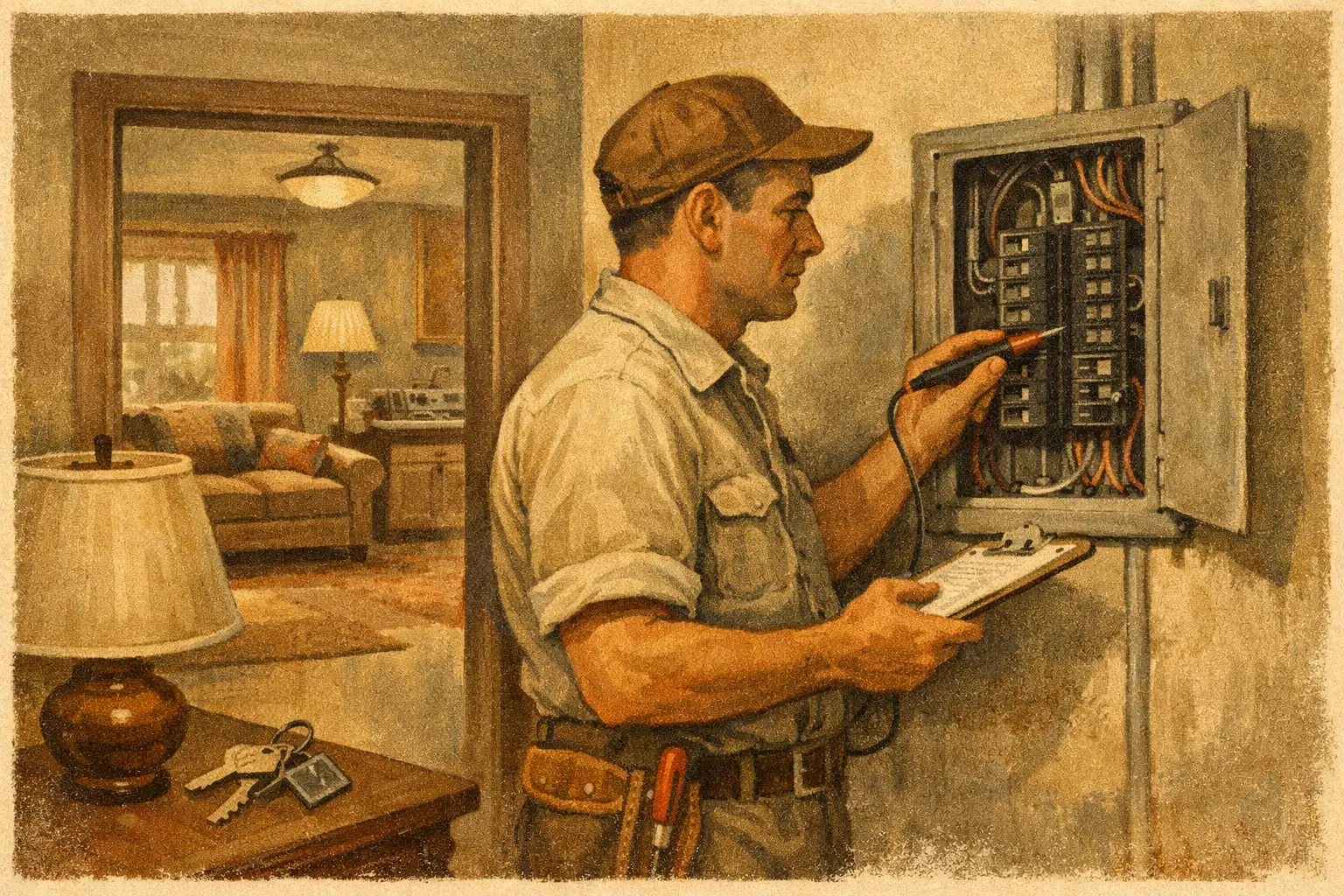
A qualified and competent electrician carries out a series of visual checks and electrical tests. They are looking for signs of deterioration, overloading, damage, poor previous work or anything that could cause electric shock or fire. The outcome is recorded in an Electrical Installation Condition Report, usually called an EICR.

An EICR is not the same as a quick visual visit. It tests the condition of the installation and confirms whether it is safe for continued use. It also does not replace a Gas Safety Check, boiler service or routine property inspection. Each one covers a different risk, so keeping them organised is the practical approach.

The rules for landlords in England

For most private rented homes in England, landlords must have the electrical installation inspected and tested at least every five years. The work must be completed by a qualified person, and the landlord must provide a copy of the report to existing tenants within 28 days of the inspection.

For a new tenant, the latest report should be provided before they move in. If the local authority asks for a copy, it must normally be supplied within seven days. Keep the report until the next inspection is due, as it provides a clear record that the property has been checked.

These rules apply to fixed installations in privately rented properties. Some exemptions and different requirements can apply in specific situations, so landlords with holiday lets, resident landlords, social housing or unusual tenancy arrangements should check the rules that apply to their property. Houses in Multiple Occupation may also have additional licensing conditions set by the local council.

The five-year interval is a maximum, not a reason to ignore warning signs in between. If a tenant reports burning smells, repeated tripping, sparking, cracked sockets or shocks from an appliance, arrange an electrician promptly. A fault does not wait for the next certificate date.

Understanding EICR codes

The report may record observations using classification codes. A C1 means danger is present and urgent action is needed. A C2 identifies a potentially dangerous issue that requires remedial work. FI means further investigation is needed before safety can be confirmed.

A C3 is an improvement recommendation. It does not usually mean the installation has failed, but it may still be worth addressing, particularly in an older property. Your electrician should explain the findings in plain English and identify what needs doing first.

Where the report identifies C1, C2 or FI observations, landlords must arrange remedial work or further investigation within 28 days, or sooner if the report specifies a shorter timescale. Once work is complete, obtain written confirmation from the electrician and give it to tenants and, if requested, the local authority.

Preparing for an electrical inspection

Good preparation avoids missed appointments and makes the inspection more useful. Let tenants know the date, expected arrival time and that the electrician may need access to every room, the consumer unit, sockets and fixed equipment. Give proper notice before entering the property, unless there is an emergency.

Clear access matters. The consumer unit should not be blocked by cupboards, furniture or stored belongings. Ask tenants not to unplug essential medical equipment without discussing it first. Power may need to be switched off briefly during testing, so it is sensible to plan around home working, cooking and children’s routines where possible.

Before the visit, gather earlier EICRs, certificates for recent electrical work and details of any recurring electrical issues. These records can help the electrician understand the installation and avoid repeating work unnecessarily.

A straightforward landlord compliance file should include:

  • the current EICR and any previous reports
  • confirmation that remedial work or investigations have been completed
  • dates when reports were issued to tenants
  • certificates for electrical alterations, such as a replacement consumer unit
  • a log of tenant-reported faults and the action taken

This does not need to be complicated. A clearly labelled digital folder for each property can save time when a tenancy changes, an inspection is due or the council requests paperwork.

PAT testing: useful, but different from an EICR

Portable Appliance Testing, or PAT testing, relates to movable electrical items rather than the fixed installation. Examples include a landlord-supplied microwave, kettle, television, vacuum cleaner or freestanding lamp.

PAT testing is not a blanket legal requirement for every rented property in England. However, landlords still have a duty to ensure supplied electrical equipment is safe. In practice, PAT testing is a sensible way to support that duty, especially in furnished lets, shared houses and properties with regular tenant turnover. Some HMO licence conditions may specifically require it.

Do not overlook simple checks between formal tests. Damaged plugs, loose leads, exposed wiring and cracked casings should be dealt with straight away. Tenants should also know to report faults rather than attempting repairs themselves.

The key distinction is simple: an EICR checks the property’s fixed wiring and electrical installation, while PAT testing checks portable appliances supplied with the tenancy. One does not replace the other.

Common issues found in rental properties

Older homes can have perfectly serviceable electrics, but age often brings a higher chance of wear, outdated components or alterations carried out over many years. Consumer units without modern protective devices, deteriorated wiring, overloaded extension leads and unsuitable fittings in bathrooms are common concerns.

DIY work is another risk. An extra socket or light fitting may look tidy on the surface while connections behind it are unsafe. This is why certificates for notifiable electrical work and a proper inspection history are worth keeping.

Properties with frequent tenant changes need particular attention. More occupants can mean more appliances, more extension leads and more strain on circuits. That does not automatically mean a property is unsafe, but it does make clear communication and timely maintenance more valuable.

A simple schedule that keeps you on track

The easiest way to stay compliant is to treat electrical safety as part of an ongoing property maintenance plan rather than a task to chase every five years. Set a reminder several months before the EICR expires, allowing time to arrange access and complete any work found during the inspection.

At each tenancy change, check that the incoming tenant receives the current EICR. If the property is furnished, inspect supplied appliances and arrange PAT testing where appropriate. During routine property visits, look for obvious damage to sockets, switches and light fittings, and ask tenants whether circuits are tripping or appliances are causing concern.

For landlords with more than one property, dates can soon become difficult to manage alongside boiler servicing, Gas Safety Checks, repairs and tenant enquiries. Bringing these jobs into one clear schedule reduces the risk of an expired certificate or a last-minute call-out.

No Hassle Heating supports landlords across West Yorkshire with practical cover that can include Electrical Safety Checks, PAT testing, Gas Safety Checks and help when heating, plumbing or electrical problems arise. A fixed monthly plan can make it easier to budget for the essentials while keeping key safety jobs in one place.

Choosing the right electrician

Price matters, but the cheapest inspection is not always the best value if the report is vague, access is rushed or remedial work is not clearly explained. Choose an electrician who is qualified to inspect and test, provides a proper EICR, explains any observations clearly and can issue written confirmation once required work is complete.

Ask what is included before booking. Larger homes, older properties, outbuildings, communal areas and complicated access arrangements can affect the time needed. A clear quote and clear scope help prevent surprises.

Most importantly, act early when a report highlights a concern. Electrical compliance is not paperwork for its own sake. It is one of the practical steps that helps tenants feel safe at home and helps landlords protect the property they have worked hard to build.

When You Need an Emergency Plumber in West Yorkshire

A burst pipe at 2am, water coming through the ceiling, or a toilet that will not stop overflowing can turn an ordinary evening into a stressful one very quickly. When you need an emergency plumber, the priority is not diagnosing every detail yourself. It is making the property safe, limiting damage and getting qualified help when it is needed.

For homeowners and landlords across West Yorkshire, plumbing problems rarely arrive at a convenient time. Knowing what counts as an emergency, what you can safely do while you wait and how ongoing cover can help puts you back in control.

What counts as a plumbing emergency?

Not every dripping tap needs an out-of-hours call-out. A slow leak under the kitchen sink can often wait until normal working hours if you can isolate the water and place a bowl underneath it. But some faults can cause serious damage, create a hygiene risk or leave a home without an essential service. Those are the situations where prompt support matters.

A plumbing issue is usually an emergency when water is escaping quickly, flooding is likely, or there is no safe way to contain the problem. Examples include a burst pipe, a major leak from a radiator or cylinder, a blocked toilet where there is no other toilet in the property, or a leak that is affecting electrics.

Loss of water can also be urgent, particularly where it affects the only bathroom or kitchen in a home. For landlords, the urgency may be greater if tenants are left without usable washing or toilet facilities. The right response depends on the circumstances, but leaving a serious problem until the next day can turn a manageable repair into damaged floors, ceilings, furnishings and electrics.

What to do before an emergency plumber arrives

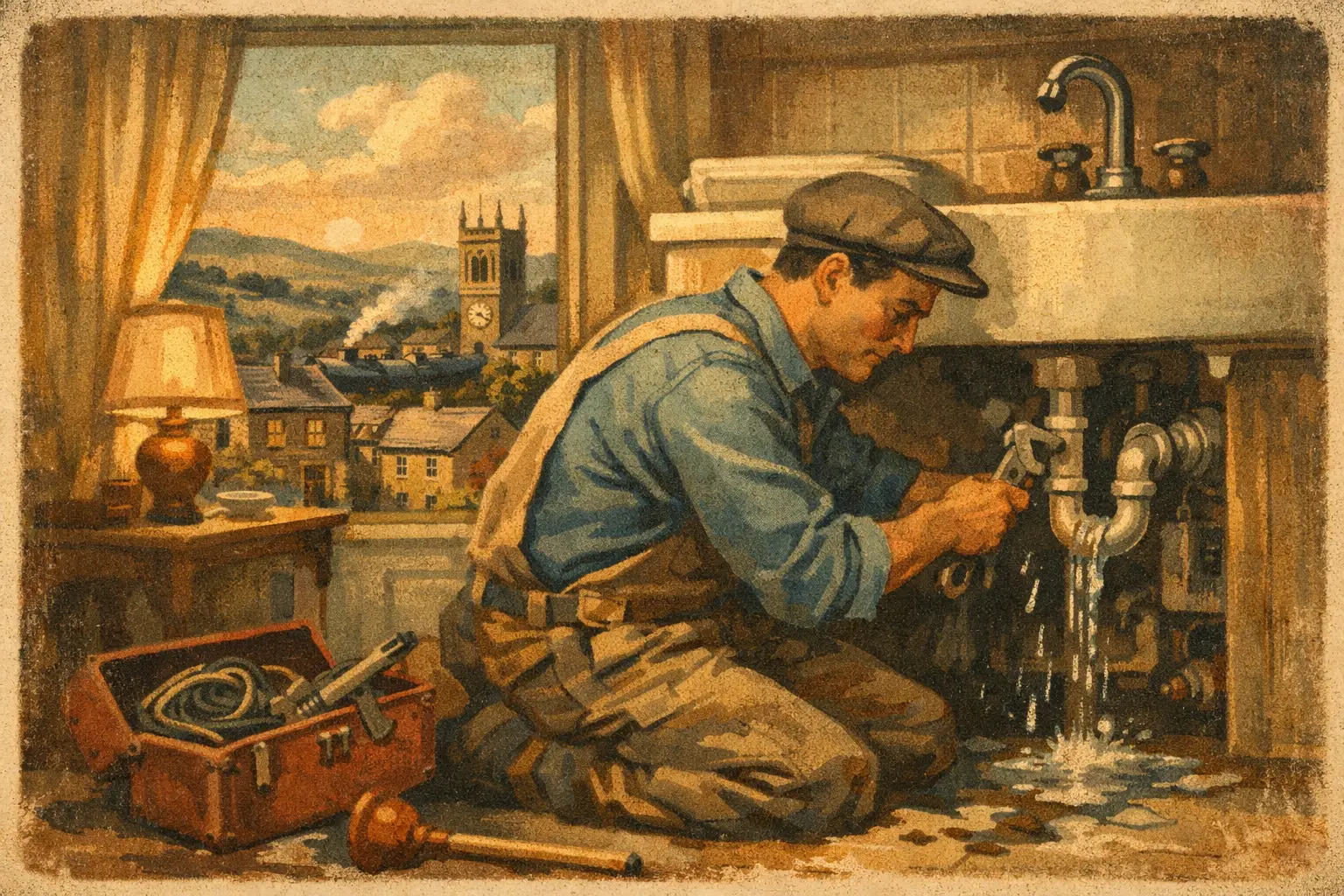
The first few minutes make a real difference. Stay calm and focus on reducing the flow of water rather than trying to take pipework apart. If it is safe to do so, turn off the internal stopcock. This is commonly found under the kitchen sink, in a utility room, near the front door or where the water supply enters the property.

If the leak is from a toilet, basin or washing machine, there may be a small isolation valve on the pipe serving that appliance. Turning this off may allow the rest of the property to keep its water supply. Do not force stiff valves, and do not attempt repairs that could make the leak worse.

Take these practical steps while you arrange help:

  • Move furniture, rugs and belongings away from the affected area where it is safe to do so.
  • Catch drips with towels, buckets or containers, but avoid standing beneath a bulging ceiling.
  • Turn off electrical power at the consumer unit if water is close to sockets, lights or wiring, provided you can do this without entering a wet area.
  • Keep children and pets away from the leak, especially near hot water, damaged ceilings or electrical equipment.

If you smell gas, hear hissing near a gas appliance, or think carbon monoxide may be present, this is not a plumbing repair to handle yourself. Leave the property if necessary, avoid switches and naked flames, and contact the appropriate emergency gas service. A Gas Safe registered engineer should deal with gas appliances and gas pipework.

When a problem can wait until morning

Calling for urgent support is sensible when there is a genuine risk to the property or the people inside it. That said, a call-out may not be necessary for every fault. A minor tap drip, a single slow-draining sink, or a radiator that needs bleeding can often be booked as a routine repair.

The trade-off is simple: if you can safely isolate the issue and still use essential facilities, waiting may be reasonable. If water is spreading, a ceiling is becoming stained or swollen, or the only toilet cannot be used, it is time to treat it as urgent.

Taking a photo or short video before drying the area can also help explain the fault clearly. For landlords, it provides a useful record of the issue and the action taken, particularly if a tenant reports a leak outside normal hours.

Why quick action protects more than your pipes

Water does not need much time to cause expensive damage. It can soak into plasterboard, lift laminate flooring, damage kitchen units and find its way into electrical fittings. Even a small ongoing leak can encourage damp and mould if it goes unnoticed behind a bath panel, under floorboards or inside a cupboard.

A fast repair is about protecting the home as well as restoring the water supply. It may also help prevent disruption that is harder to put right later, such as a tenant needing temporary accommodation or a family being unable to use their kitchen or bathroom.

This is particularly relevant in older properties, where ageing pipework, worn seals and hidden plumbing routes can make a small fault more difficult to spot. It does not always mean a major repair is needed, but early attention gives an engineer the best chance to fix the problem before further damage develops.

Choosing an emergency plumber with confidence

During a stressful call-out, it is easy to focus only on finding the fastest available person. Speed matters, but so do clear communication, relevant qualifications and a straightforward explanation of costs.

Ask whether the provider can attend around the clock, whether there is an additional emergency call-out fee, and what happens if parts or further work are needed. A good engineer should explain what has failed, what has been done to make the property safe and what the next steps are if a permanent repair cannot be completed immediately.

For work involving boilers, heating systems or gas, always check that the engineer is Gas Safe registered. For electrical risks caused by water, a properly qualified electrician may also be needed. Plumbing, heating and electrics can overlap during a leak, which is one reason a broader home maintenance plan can be reassuring.

Emergency plumber cover: predictable help when it matters

An unexpected plumbing bill can put pressure on any household budget. Cover plans are designed to make that uncertainty easier to manage by spreading the cost into a fixed monthly payment and giving you a clear route to support when something goes wrong.

The details matter. Some plans focus only on boilers and central heating, while others include plumbing, water leaks, drains or electrical emergencies. Check what systems are included, whether there are limits on repairs or parts, and whether the plan covers the property type you own. Pre-existing faults, poor maintenance and upgrades are often treated differently from sudden breakdowns.

No Hassle Heating provides domestic and landlord-focused protection across West Yorkshire, with plans from £9.99 per month and no additional emergency call-out charges under the relevant cover. For customers who want one place to turn for boiler, heating, plumbing and electrical issues, that can remove much of the worry around finding help in a hurry.

A practical approach for landlords

A plumbing emergency in a rental property is not just an inconvenience. It can affect a tenant’s comfort, the condition of the building and your responsibilities as a landlord. Clear reporting arrangements make a difference. Tenants should know where the stopcock is, how to report urgent problems and when they should use emergency support rather than wait.

It is also worth keeping records of repairs, inspections and previous leaks. Repeated blockages or water pressure problems may point to an underlying issue that needs a planned repair rather than another temporary fix. Landlord cover that combines plumbing protection with boiler breakdown support and safety services can reduce administration while helping you stay on top of essential maintenance.

The aim is not to overreact to every drip. It is to have a calm, reliable plan for the moments when water is running where it should not be. Save the stopcock location, know who to call and choose cover that matches your home or rental property. When the unexpected happens, those small preparations can keep a plumbing emergency from becoming a much bigger problem.