
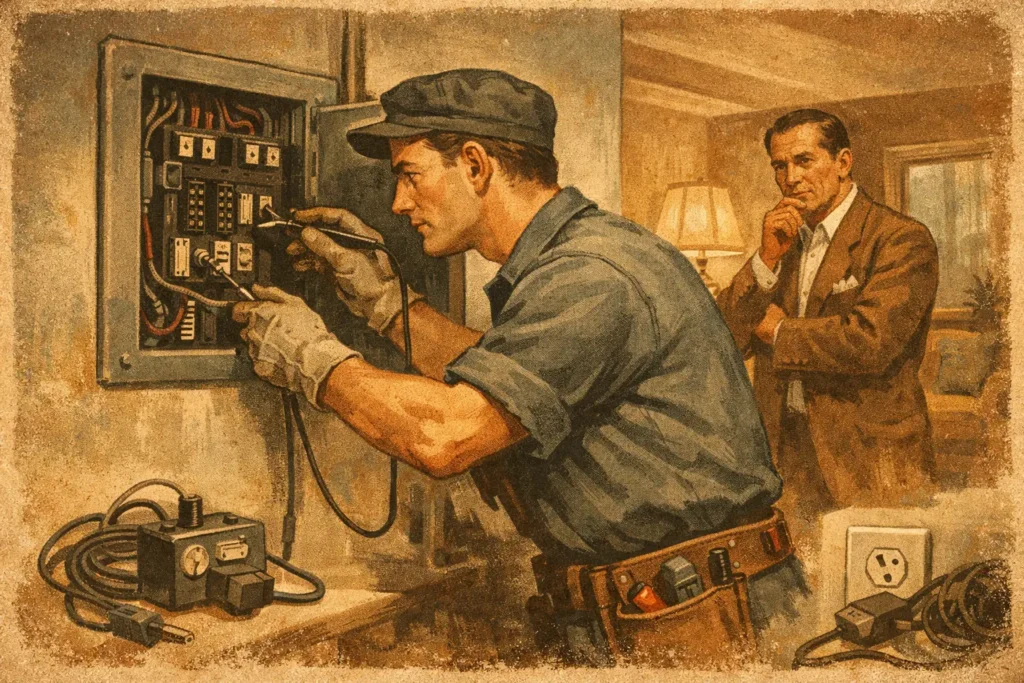
A tenant reports a burning smell from a socket on a Sunday evening, and suddenly a job that felt routine becomes urgent. That is exactly why electrical safety checks for landlords matter. They are not just a box to tick for compliance. They help you spot risk early, protect your tenants, and avoid the stress and cost of emergency repairs later.
For many landlords, electrics sit in the background until something stops working. The challenge is that faults are not always obvious. A damaged circuit, ageing consumer unit, or poor earthing may give little warning before it becomes a safety issue. Regular checks give you a clearer picture of the condition of the installation and whether any remedial work is needed.
What electrical safety checks for landlords actually involve
When people talk about electrical safety checks for landlords, they usually mean a formal inspection and test of the fixed electrical installation in a rental property. This is commonly recorded on an Electrical Installation Condition Report, or EICR. It looks at the wiring, sockets, light fittings, consumer unit and other fixed parts of the system.
The aim is simple. A qualified electrician checks whether the installation is safe for continued use. They are looking for wear and tear, damage, overloaded circuits, poor workmanship, and anything that does not meet current safety standards closely enough to raise concern.
This is different from PAT testing, which covers portable electrical appliances supplied by the landlord, such as kettles, lamps or microwaves. Both can be useful, but they are not the same service and one does not replace the other.
What the law says for landlords
In England, private landlords must ensure the electrical installation in their property is inspected and tested at least every five years by a qualified person. If the report says the next inspection should happen sooner, that shorter timescale applies. Landlords must also provide a copy of the report to existing tenants, new tenants, and the local authority if requested.
If the report identifies urgent faults or issues that could become dangerous, remedial work must be carried out within the required period. In many cases that is within 28 days, although the report can set a shorter timeframe if the risk is more immediate.
That legal duty applies to the fixed installation. It does not mean every landlord needs to replace older electrics automatically. A property can still pass if it is safe for continued use, even if it does not look brand new. That is where experience matters. Good electricians do not create panic. They explain what is unsafe, what is advisable, and what can wait.
Why these checks matter beyond compliance
There is the legal side, and then there is the practical side. If you own one rental or a small portfolio, electrical issues can be one of the more disruptive problems to manage. They often affect lighting, heating controls, cooking appliances or internet equipment, which means tenants want action quickly.
A proper inspection helps reduce that firefighting. It can flag deterioration before it turns into a call-out, a complaint, or a void period. It also creates a paper trail that shows you have taken your responsibilities seriously. If there is ever a dispute, having up-to-date certification and records puts you in a much stronger position.
There is also a trust factor. Tenants notice when a property feels safe and well maintained. They may not ask to see the consumer unit, but they will appreciate sockets that work properly, lights that do not trip, and a landlord who handles safety checks without being chased.
What an EICR result means
An electrical report is not simply pass or fail in plain language, so it helps to know what you are looking at. Observations are usually coded to show the level of concern.
A C1 code means danger is present and immediate action is required. A C2 code means a potentially dangerous issue has been found and remedial work is needed. An FI code means further investigation is required without delay. If any of those appear, the report is unsatisfactory.
A C3 code is different. It means improvement is recommended, but it is not considered unsafe. That can catch landlords out. A report with only C3 observations can still be satisfactory. It may point to older installations that would benefit from updates, but not every recommendation is a legal emergency.
This is one of those areas where context matters. If a property is between tenancies, you may decide to complete improvement works while access is easy. If tenants are in place and the report is satisfactory, you may choose to schedule non-urgent upgrades later. The right approach depends on the condition of the property, your budget and how long you plan to hold the asset.
How often should checks be done?
The standard rule is every five years, but that is not always the full story. Some properties need closer attention. Older homes, properties with a history of DIY electrical work, or rentals with heavier wear may justify more regular checks. The electrician can recommend a shorter interval if appropriate.
It also makes sense to stay alert between formal inspections. If tenants report tripping electrics, buzzing sockets, flickering lights, scorch marks, or shocks from switches, do not wait for the next scheduled test. Those signs need prompt investigation.
A change of tenancy can also be a useful checkpoint. It may not always be a legal trigger for a full new EICR if the existing one is still valid, but it is often the best time to review the overall condition of the electrics, especially if the property has been occupied for several years.
Common issues landlords run into
A lot of rental properties are not dangerous, but they do carry a few predictable problems. Ageing consumer units are a common one, especially if they lack modern protection devices. Broken accessories such as cracked sockets or loose switches are also frequent, usually from everyday wear rather than major faults.
You may also see signs of overloading where tenants use extension leads heavily because there are not enough sockets in the right places. That does not always mean the fixed installation fails, but it can show that the property layout no longer suits how people live. In some cases, adding extra sockets is a practical improvement that reduces future risk and complaints.
Another issue is paperwork. Some landlords have had work done over the years but cannot easily find past certificates, minor works records or the latest report. Keeping those documents organised makes life easier when tenants move in, agents ask questions, or local authorities request evidence.
Choosing the right electrician
This is not a job to hand to the cheapest person with a tester. You need someone qualified, experienced and clear in how they communicate. A good electrician should explain what they found in plain English, outline any remedial work properly, and avoid turning every recommendation into a scare story.
Local coverage matters too. If you own property in West Yorkshire, using a provider who already works in the area can make access, follow-up visits and ongoing maintenance much easier. That is particularly useful if a report identifies issues that need sorting quickly rather than weeks down the line.
For landlords who want fewer moving parts, bundling safety services with broader property cover can also make sense. If you are already arranging boiler support, plumbing protection and annual compliance checks, having electrical safety checks managed as part of one practical service can save time and cut down admin.
Making compliance easier year after year
The landlords who find this easiest are usually not the ones who know the most about electrics. They are the ones with a simple system. Keep your reports on file, note renewal dates early, respond quickly to tenant concerns, and use trusted engineers rather than starting from scratch each time.
If you manage more than one property, spread inspection dates through the year where possible. That helps avoid a pile-up of checks, certificates and remedial work all at once. It also makes budgeting easier, which matters if you are trying to keep costs predictable.
No Hassle Heating works with landlords who want that kind of straightforward support. The appeal is not just the check itself. It is knowing the job is booked, handled properly and backed by practical help if something needs attention.
Electrical safety checks are one of those responsibilities that feel easier once they are in hand. Get them done on time, keep the paperwork tidy, and you give yourself far fewer unpleasant surprises later.
