
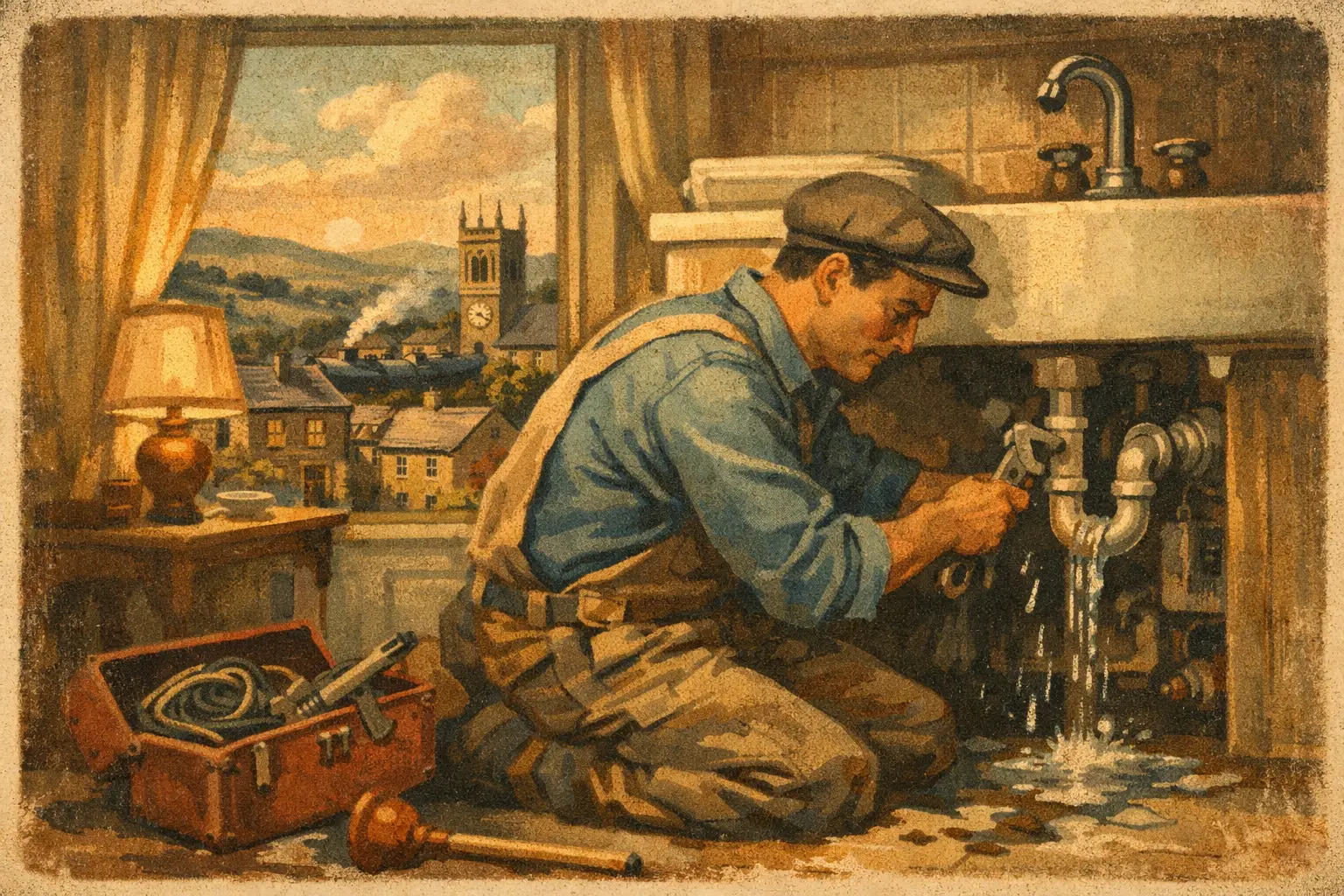
A burst pipe at 2am, water coming through the ceiling, or a toilet that will not stop overflowing can turn an ordinary evening into a stressful one very quickly. When you need an emergency plumber, the priority is not diagnosing every detail yourself. It is making the property safe, limiting damage and getting qualified help when it is needed.
For homeowners and landlords across West Yorkshire, plumbing problems rarely arrive at a convenient time. Knowing what counts as an emergency, what you can safely do while you wait and how ongoing cover can help puts you back in control.
What counts as a plumbing emergency?
Not every dripping tap needs an out-of-hours call-out. A slow leak under the kitchen sink can often wait until normal working hours if you can isolate the water and place a bowl underneath it. But some faults can cause serious damage, create a hygiene risk or leave a home without an essential service. Those are the situations where prompt support matters.
A plumbing issue is usually an emergency when water is escaping quickly, flooding is likely, or there is no safe way to contain the problem. Examples include a burst pipe, a major leak from a radiator or cylinder, a blocked toilet where there is no other toilet in the property, or a leak that is affecting electrics.
Loss of water can also be urgent, particularly where it affects the only bathroom or kitchen in a home. For landlords, the urgency may be greater if tenants are left without usable washing or toilet facilities. The right response depends on the circumstances, but leaving a serious problem until the next day can turn a manageable repair into damaged floors, ceilings, furnishings and electrics.
What to do before an emergency plumber arrives
The first few minutes make a real difference. Stay calm and focus on reducing the flow of water rather than trying to take pipework apart. If it is safe to do so, turn off the internal stopcock. This is commonly found under the kitchen sink, in a utility room, near the front door or where the water supply enters the property.
If the leak is from a toilet, basin or washing machine, there may be a small isolation valve on the pipe serving that appliance. Turning this off may allow the rest of the property to keep its water supply. Do not force stiff valves, and do not attempt repairs that could make the leak worse.
Take these practical steps while you arrange help:
- Move furniture, rugs and belongings away from the affected area where it is safe to do so.
- Catch drips with towels, buckets or containers, but avoid standing beneath a bulging ceiling.
- Turn off electrical power at the consumer unit if water is close to sockets, lights or wiring, provided you can do this without entering a wet area.
- Keep children and pets away from the leak, especially near hot water, damaged ceilings or electrical equipment.
If you smell gas, hear hissing near a gas appliance, or think carbon monoxide may be present, this is not a plumbing repair to handle yourself. Leave the property if necessary, avoid switches and naked flames, and contact the appropriate emergency gas service. A Gas Safe registered engineer should deal with gas appliances and gas pipework.
When a problem can wait until morning
Calling for urgent support is sensible when there is a genuine risk to the property or the people inside it. That said, a call-out may not be necessary for every fault. A minor tap drip, a single slow-draining sink, or a radiator that needs bleeding can often be booked as a routine repair.
The trade-off is simple: if you can safely isolate the issue and still use essential facilities, waiting may be reasonable. If water is spreading, a ceiling is becoming stained or swollen, or the only toilet cannot be used, it is time to treat it as urgent.
Taking a photo or short video before drying the area can also help explain the fault clearly. For landlords, it provides a useful record of the issue and the action taken, particularly if a tenant reports a leak outside normal hours.
Why quick action protects more than your pipes
Water does not need much time to cause expensive damage. It can soak into plasterboard, lift laminate flooring, damage kitchen units and find its way into electrical fittings. Even a small ongoing leak can encourage damp and mould if it goes unnoticed behind a bath panel, under floorboards or inside a cupboard.
A fast repair is about protecting the home as well as restoring the water supply. It may also help prevent disruption that is harder to put right later, such as a tenant needing temporary accommodation or a family being unable to use their kitchen or bathroom.
This is particularly relevant in older properties, where ageing pipework, worn seals and hidden plumbing routes can make a small fault more difficult to spot. It does not always mean a major repair is needed, but early attention gives an engineer the best chance to fix the problem before further damage develops.
Choosing an emergency plumber with confidence
During a stressful call-out, it is easy to focus only on finding the fastest available person. Speed matters, but so do clear communication, relevant qualifications and a straightforward explanation of costs.
Ask whether the provider can attend around the clock, whether there is an additional emergency call-out fee, and what happens if parts or further work are needed. A good engineer should explain what has failed, what has been done to make the property safe and what the next steps are if a permanent repair cannot be completed immediately.
For work involving boilers, heating systems or gas, always check that the engineer is Gas Safe registered. For electrical risks caused by water, a properly qualified electrician may also be needed. Plumbing, heating and electrics can overlap during a leak, which is one reason a broader home maintenance plan can be reassuring.
Emergency plumber cover: predictable help when it matters
An unexpected plumbing bill can put pressure on any household budget. Cover plans are designed to make that uncertainty easier to manage by spreading the cost into a fixed monthly payment and giving you a clear route to support when something goes wrong.
The details matter. Some plans focus only on boilers and central heating, while others include plumbing, water leaks, drains or electrical emergencies. Check what systems are included, whether there are limits on repairs or parts, and whether the plan covers the property type you own. Pre-existing faults, poor maintenance and upgrades are often treated differently from sudden breakdowns.
No Hassle Heating provides domestic and landlord-focused protection across West Yorkshire, with plans from £9.99 per month and no additional emergency call-out charges under the relevant cover. For customers who want one place to turn for boiler, heating, plumbing and electrical issues, that can remove much of the worry around finding help in a hurry.
A practical approach for landlords
A plumbing emergency in a rental property is not just an inconvenience. It can affect a tenant’s comfort, the condition of the building and your responsibilities as a landlord. Clear reporting arrangements make a difference. Tenants should know where the stopcock is, how to report urgent problems and when they should use emergency support rather than wait.
It is also worth keeping records of repairs, inspections and previous leaks. Repeated blockages or water pressure problems may point to an underlying issue that needs a planned repair rather than another temporary fix. Landlord cover that combines plumbing protection with boiler breakdown support and safety services can reduce administration while helping you stay on top of essential maintenance.
The aim is not to overreact to every drip. It is to have a calm, reliable plan for the moments when water is running where it should not be. Save the stopcock location, know who to call and choose cover that matches your home or rental property. When the unexpected happens, those small preparations can keep a plumbing emergency from becoming a much bigger problem.