
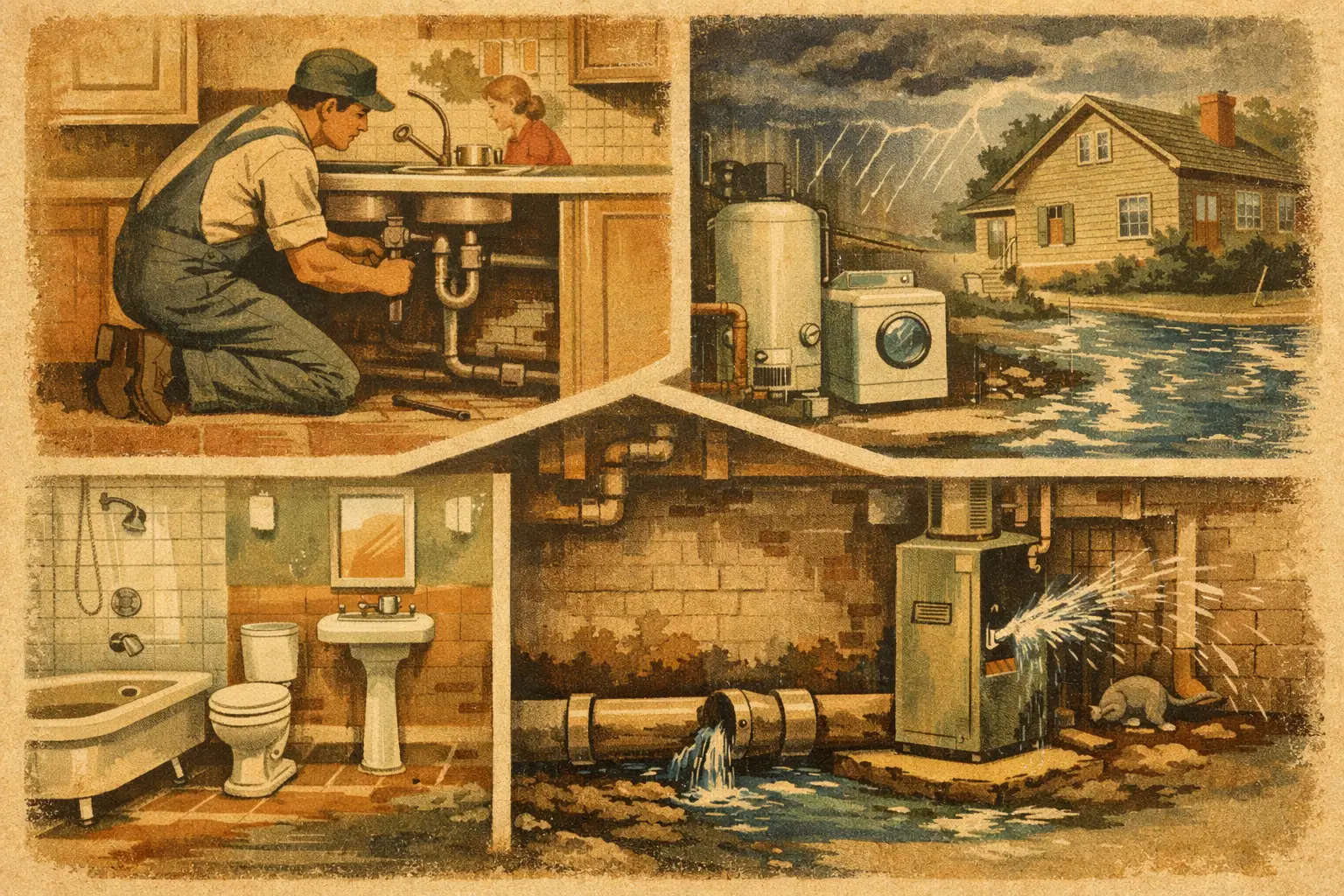
A leaking pipe rarely waits for a convenient moment. It might be a damp patch beneath the kitchen sink, a toilet that will not stop running, or water appearing through a ceiling on a Sunday evening. Plumbing cover is designed to take the panic and uncertainty out of those moments, giving homeowners and landlords a clear route to qualified help without an unexpected emergency call-out bill.
For households across West Yorkshire, it can be a practical way to spread the cost of looking after the parts of a property that are easy to forget about – until something goes wrong. The right plan can provide reassurance when you need it most, but it is worth knowing exactly what is and is not included before you choose.
What is plumbing cover?
Plumbing cover is a monthly maintenance and breakdown plan for the plumbing systems in your home or rental property. Depending on the level of cover, it can help with faults to internal pipes, taps, toilets, showers, water tanks and leaks that need urgent attention.
Rather than finding an available plumber at short notice, comparing quotes and paying a one-off emergency fee, you contact your cover provider. A qualified engineer can assess the problem and carry out an eligible repair. That means a fixed monthly cost is easier to budget for than a sudden repair bill, especially when a leak has the potential to cause further damage if left alone.
At No Hassle Heating, plans are built around simple monthly protection, local engineer support and no additional emergency call-out charges for covered faults. Cover can also be combined with protection for your boiler, heating and electrics, so you are not managing separate policies for every essential system in the property.
What plumbing cover can include
Every plan has its own terms, so the detail matters. In general, plumbing protection is there for the pipework and fittings that supply water around your home and remove wastewater safely.
Leaks and internal pipework
A leak from an internal water pipe can quickly become more than a small nuisance. Water can affect cupboards, flooring, plaster and electrical fittings, particularly where a pipe is hidden behind a wall or under a bath. Cover may include tracing the fault and repairing an accessible section of internal pipework where a sudden failure has occurred.
The word accessible is important. An engineer can usually work on pipework that can be safely reached without major building work. If a repair requires extensive excavation, removing a fitted kitchen or lifting large areas of flooring, the repair process may involve additional work outside the scope of a standard plan.
Taps, toilets and showers
Dripping taps, faulty flush mechanisms and leaking shower connections are common household problems. They may seem minor, but a constant drip wastes water and a failed toilet can disrupt the whole household.
Many plumbing plans provide support for eligible faults to internal fittings. The practical value is not just the repair itself. It is knowing who to call when a toilet will not flush, a tap will not turn off or a shower connection starts leaking, rather than trying to diagnose the issue yourself.
Water supply and drainage issues
Some plans also offer help with parts of the internal water supply and drainage system. This can be especially useful in rental homes, where a blocked internal waste pipe or a failed fitting needs prompt attention to keep the property usable for tenants.
However, drainage cover is not always included as standard. External drains, shared drains, septic tanks, gutters and damage caused by tree roots can sit outside the usual definition of plumbing protection. Always check whether drainage is included, and whether there are limits on the type of blockage or repair covered.
What plumbing cover does not usually pay for
Good cover should be clear, not confusing. It protects against eligible breakdowns and faults, but it is not a replacement for routine upkeep or home insurance.
Wear and tear may be covered in some circumstances, while known faults, poor installation and damage caused by neglect are commonly excluded. A plan may also exclude cosmetic repairs, upgrades, replacement bathroom suites and work needed because a system does not meet current standards.
It is also worth separating the cost of stopping a leak from the cost of repairing the damage it caused. Plumbing cover can help fix the faulty pipe or fitting. Damage to carpets, ceilings, furniture or decorations is normally a matter for buildings or contents insurance, depending on your policy.
If you are taking out a plan after spotting a problem, check the start date and any initial exclusion period. Cover is intended to protect you from future unexpected faults, not to fund a repair that has already been identified. Being upfront about the condition of your system helps avoid disappointment later.
Is plumbing cover worth it for homeowners?
It depends on your property, your budget and how comfortable you are handling repair costs as they arise. A newer home with modern pipework may be less likely to need urgent attention, but even newer properties can develop leaks, failed valves and plumbing faults.
For many homeowners, the appeal is certainty. A small monthly payment can make it easier to plan household spending, while 24/7 emergency support provides reassurance outside normal working hours. This is particularly valuable for busy families, older residents and anyone who does not have a trusted local plumber ready to call.
Plumbing cover can be even more useful when it sits alongside boiler and heating protection. Homes rely on several connected systems every day. One provider, one monthly payment and one number to call can remove a lot of the admin when something fails.
Before choosing, consider the age of your pipework, whether you have had leaks before, the excess you could afford to pay and the level of support you want in an emergency. The cheapest plan is not always the best value if it excludes the parts of the system you are most concerned about.
Why landlords benefit from plumbing protection
For landlords, a plumbing issue is not simply inconvenient. It can affect tenant wellbeing, damage the property and lead to a difficult conversation if it is not dealt with promptly. A reliable repair route helps you respond faster without spending hours looking for tradespeople or approving unexpected quotes.
A landlord cover plan can bring plumbing and drainage support together with boiler breakdown protection and key safety services, such as Gas Safety Checks, Electrical Safety Checks and PAT testing. That makes routine compliance and reactive maintenance easier to organise, particularly for landlords with more than one property.
There are still responsibilities that sit with the landlord. You should keep records, deal with reported faults promptly and make sure tenants know what to do in an emergency. It also helps to explain that they should report a leak straight away, rather than waiting until a small issue becomes a larger repair.
For a single rental property or a small portfolio, predictable monthly costs can make cash flow simpler. More importantly, it gives you a dependable support route when your tenant needs help quickly.
How to choose the right plumbing cover plan
Start by looking at what is actually protected. Check whether the plan includes internal water pipes, taps, toilets, showers, leaks and drainage, rather than assuming every plumbing fault is covered. Then look at the practical details: call-out availability, emergency response, repair limits, replacement parts and whether there is an excess.
Local support matters too. A provider that understands the area and has engineers available across West Yorkshire is better placed to offer the responsive service you need. Qualifications and clear service terms should give you confidence that the work will be carried out safely and professionally.
If you also need boiler, heating or electrical support, a broader home care plan may offer better value than buying separate products. Landlords should also consider whether compliance checks can be managed within the same arrangement. Less paperwork means less chance of an important date being missed.
Do not choose solely on the monthly price. A plan from £9.99 can be an affordable starting point, but the right level of cover should match your property and the risks you want to manage. Read the terms, ask questions about anything unclear and select cover that gives you meaningful protection rather than a false sense of security.
When a plumbing problem becomes an emergency
Turn off the water supply if you can do so safely when water is flowing uncontrollably. If water is close to electrical sockets, appliances or wiring, avoid touching anything wet and switch off electricity only if it is safe to reach your consumer unit without coming into contact with water.
Then contact your provider for emergency support. Taking quick action can reduce water damage, but do not attempt a repair that could make the problem worse. A qualified engineer can identify the cause and advise on the safest next step.
A home should feel like the place where problems can wait until tomorrow. With the right plumbing protection in place, an unexpected leak or failed fitting does not have to take over your evening – help is already arranged, and you can get back to normal sooner.