
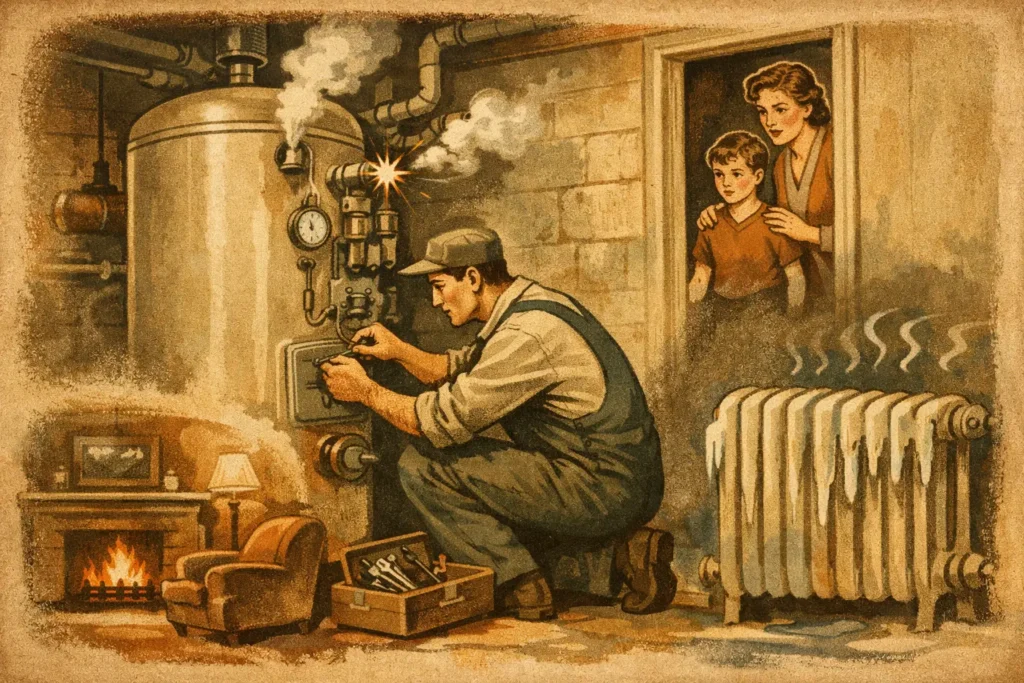
A boiler breakdown rarely arrives at a convenient time. It is usually when the heating is working hardest, the house is full, or a tenant needs hot water now. Knowing how to avoid boiler breakdowns will not prevent every fault, but a few routine habits can reduce the risk, spot problems early and help keep repair costs under control.
For homeowners and landlords across West Yorkshire, the aim is simple: keep the heating safe, efficient and ready when you need it. You do not need to be a heating engineer to make a difference. You just need to know what to check, when to call for help and which warning signs should not be ignored.
How to avoid boiler breakdowns with regular servicing
An annual boiler service is the most effective starting point. During a service, a Gas Safe registered engineer checks that the boiler is operating safely, inspects key components, looks for wear and tests performance. Small faults can often be found before they become a no-heating or no-hot-water emergency.
A service is not the same as a repair. Your boiler may appear to be working perfectly while a part is beginning to fail, pressure is unstable or combustion readings need attention. Regular servicing gives you the best chance of catching those issues at the manageable stage.
For landlords, annual gas safety checks are a legal requirement for gas appliances in rented properties. It also makes practical sense to arrange boiler servicing at the same time where possible. Keeping clear records helps with compliance, while giving tenants confidence that their heating and hot water are being looked after.
If your boiler is still under a manufacturer warranty, check its terms. Many warranties require a yearly service by a qualified engineer. Missing one could leave you without the protection you expected if the boiler develops a fault.
Keep an eye on boiler pressure
Low pressure is one of the most common reasons a boiler stops working. Most modern systems should sit around 1 to 1.5 bar when cold, although the correct level can vary by model. The pressure gauge or display is normally found on the front of the boiler.
If the pressure has dropped slightly, your boiler manual may explain how to repressurise it using the filling loop. Follow the instructions carefully and do not overfill the system. If pressure keeps dropping after you have topped it up, there could be a leak, a faulty pressure relief valve or an issue with the expansion vessel. That needs an engineer rather than repeated DIY fixes.
High pressure can cause trouble too. If the gauge climbs towards the red zone when the heating is on, switch the boiler off and arrange professional advice. Leaving a pressure problem unchecked can put added strain on the system.
Use your heating regularly, including in summer
It can feel odd to turn the heating on during a warm spell, but running it for a short time every month helps keep moving parts active. Pumps and valves that sit unused for long periods can seize, particularly in older systems.
Set the heating to come on for 10 to 15 minutes once a month outside the colder months. Check that the radiators warm up, the boiler fires up normally and there are no unfamiliar noises. This simple habit can reveal a problem before autumn arrives and engineer availability becomes more limited.
For empty rental properties, this check is especially worthwhile. A vacant home can hide a fault for weeks, leaving a new tenant to discover it on move-in day.
Do not ignore changes in performance
Boilers often give an early warning before they break down completely. A radiator that stays cold at the top or bottom, hot water that comes and goes, banging noises, frequent resetting or a boiler that takes longer to fire up all deserve attention.
Some issues have straightforward causes. Radiators may need bleeding if there is trapped air, while uneven heating can sometimes point to sludge in the system. However, persistent noises, leaks, burning smells or recurring fault codes should always be checked by a qualified engineer.
Never remove a boiler casing or attempt to repair gas components yourself. If you smell gas, suspect a carbon monoxide issue or your carbon monoxide alarm sounds, leave the property, avoid using electrical switches or naked flames, and contact the appropriate emergency gas service. Once the immediate risk has been dealt with, arrange for a Gas Safe engineer to inspect the appliance.
Protect your pipes when temperatures fall
Frozen condensate pipes are a common cause of winter boiler call-outs. The condensate pipe carries wastewater from a condensing boiler to an outside drain. When temperatures drop below freezing, an external pipe can freeze and stop the boiler from operating.
Where possible, the pipe should be properly insulated and installed to reduce the chance of freezing. If you are unsure whether yours is protected, ask an engineer at your next service. Keeping the heating on a low setting when you are away in very cold weather can also help protect the system and pipework.
A frozen condensate pipe can sometimes be thawed carefully with warm, not boiling, water. But if access is difficult, you are not confident, or the boiler will not reset afterwards, it is safer to call an engineer. Boiling water can damage pipework and create an avoidable safety risk.
Look after the whole heating system
Your boiler does not work in isolation. Radiators, thermostats, controls, pipes and the system water all affect how hard it has to work. When these parts are neglected, the boiler may cycle more often, use more energy and wear out sooner.
Start with the simple checks. Make sure room thermostats are working and positioned sensibly, away from draughts, direct sunlight and heat sources. Replace batteries in wireless controls before they run flat. If some rooms are consistently colder than others, have the system assessed rather than turning the boiler temperature up and hoping for the best.
Older systems may benefit from a powerflush or chemical clean if there is evidence of sludge, such as cold spots on radiators, discoloured water when bleeding them, or repeated pump and valve issues. It is not necessary for every property, so ask an engineer whether it is suitable for your system before committing to the work.
Give your boiler room to breathe
Boilers need safe access for servicing and repairs. Avoid packing cupboards tightly around a boiler, storing belongings against pipework or blocking ventilation openings. A clear area helps an engineer work safely and makes it easier for you to notice leaks or unusual smells.
Check around the boiler from time to time for damp patches, drips, corrosion or staining. A small leak may seem harmless, but over time it can damage components, reduce pressure and affect nearby cupboards, flooring or walls.
External flues should also be kept clear. Do not attach items to them or block the terminal with bins, plants or garden furniture. If you live in a property where the flue is difficult to inspect safely, leave that check to your engineer.
Plan ahead instead of waiting for an emergency
Boiler repairs can be unpredictable, especially with older appliances or parts that are no longer readily available. Maintenance cover can make the practical side easier by giving you a clear route to support when something goes wrong, rather than searching for an available engineer under pressure.
The right level of cover depends on your property and responsibilities. A homeowner may want annual servicing and emergency boiler support, while a landlord may need broader protection that also helps with gas safety, electrical checks, plumbing and tenant call-outs. Read what is included, any exclusions and whether there is a waiting period before choosing a plan.
No Hassle Heating provides local cover designed to take the stress out of boiler and home maintenance, with annual servicing and emergency call-out support available through selected plans. For landlords, bringing safety checks and maintenance support together can also reduce the administration that comes with managing a property.
A quick seasonal routine that pays off
Before winter, book your annual service, test your thermostat, check boiler pressure and run the heating through a full cycle. Look over visible pipes for leaks, make sure the condensate pipe is insulated where needed and test your carbon monoxide alarm according to the manufacturer guidance.
During winter, avoid switching the heating off completely when the property is empty in freezing conditions. If you notice a fault code, repeated loss of pressure or unreliable hot water, arrange help early. A prompt repair is usually less disruptive than waiting for a complete breakdown.
A well-looked-after boiler is one less thing to worry about when the weather turns. A small check today can help keep your home warm, your tenants comfortable and your plans on track tomorrow.
